
What is a Virtual Office Business Address?
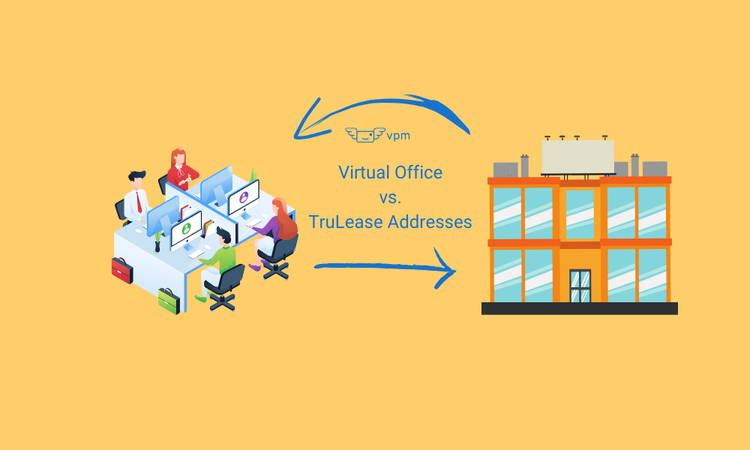
A virtual office business address is a professional mailing address that businesses can use without physically occupying the space. This service allows entrepreneurs, remote workers, and companies to establish a prestigious business presence in prime locations while working from anywhere in the world.
Unlike traditional office spaces that require long-term leases and significant overhead costs, a virtual business address provides essential business services including mail handling, package receipt, and often additional features like meeting room access and phone answering services.
Why Your Business Needs a Virtual Office Address
Protect Your Personal Privacy
Operating a business from home can expose your residential address to the public. A virtual office address keeps your home location private while maintaining a professional image. This is particularly important for:
- Solo entrepreneurs and freelancers
- Home-based businesses
- E-commerce store owners
- Consultants and coaches
Establish Credibility and Trust
First impressions matter in business. A prestigious business address in a recognized commercial district signals legitimacy and professionalism to clients, partners, and investors. Companies with addresses in downtown business districts or well-known commercial areas are often perceived as more established and trustworthy than those listing residential addresses.
Expand Your Market Reach
Virtual office addresses allow you to establish a presence in multiple cities without the expense of physical offices. This is invaluable for businesses looking to enter new markets, test regional demand, or create a national footprint while keeping costs low.
Meet Legal and Registration Requirements
Many jurisdictions require businesses to have a registered business address for LLC formation, business licensing, and official correspondence. A virtual office address satisfies these legal requirements while providing flexibility for business owners who work remotely or travel frequently.
Key Features of Virtual Business Address Services
Professional Mail Handling
Virtual office providers receive, sort, and manage your business mail. Most services offer:
- Mail scanning: Digital copies of envelopes and contents sent to your email
- Mail forwarding: Physical mail sent to your preferred location on-demand or scheduled basis
- Package receipt: Acceptance and storage of deliveries from all carriers
- Mail notification: Real-time alerts when new mail arrives
Business Address Verification
Your virtual address can typically be used for:
- LLC and corporation registration
- Business license applications
- Bank account opening
- Professional licenses
- Google My Business listings
- Marketing materials and business cards
Additional Professional Services
Many virtual office providers bundle their address services with:
- Live receptionist and call answering
- Meeting room and conference space access
- Day office rental options
- Business phone numbers with local area codes
- Administrative support services
How Virtual Office Addresses Work
The process is straightforward:
- Choose Your Location: Select a virtual office address in your desired city or business district
- Complete Registration: Sign up for the service and complete required USPS Form 1583 authorization
- Update Your Business Information: List your new business address on official documents, website, and marketing materials
- Receive and Manage Mail: Access your mail digitally through the provider’s online portal or mobile app
- Request Forwarding: Have physical mail sent to you when needed
Most providers offer month-to-month plans with no long-term commitments, making it easy to scale or relocate as your business evolves.
Virtual Office Address vs. Traditional Office Space
Cost Comparison
Traditional office leases typically cost between $2,000 to $10,000+ per month depending on location, plus utilities, furniture, and maintenance. Virtual office addresses range from $25 to $300 per month, representing savings of 90-95% or more.
Flexibility
Virtual addresses offer unmatched flexibility. There are no lease commitments, no geographic restrictions on where you work, and the ability to change or add locations quickly. Traditional offices lock you into multi-year leases with significant early termination penalties.
Overhead Reduction
Without physical office space, businesses eliminate costs for:
- Rent and utilities
- Office furniture and equipment
- Janitorial and maintenance services
- Commuting time and expenses
- Office supplies and amenities
Virtual Office Address vs. PO Box
While both provide mail receipt services, virtual office addresses offer significant advantages:
Business Legitimacy: PO Box addresses appear informal and can’t be used for business registration in most states. Virtual office addresses are actual street addresses that project professionalism.
Legal Compliance: Most states don’t allow PO Boxes as registered agent addresses for LLCs or corporations. Virtual offices meet these legal requirements.
Additional Services: Virtual offices often include phone services, meeting rooms, and business support beyond simple mail receipt.
Package Acceptance: Many PO Box locations don’t accept deliveries from private carriers like FedEx or UPS, while virtual offices accept packages from all carriers.

Choosing the Right Virtual Office Address Provider
Location Matters
Select an address that aligns with your business goals:
- Prestigious areas (Wall Street, Silicon Valley, downtown districts) enhance credibility
- Target market locations help you connect with local customers
- Tax-friendly jurisdictions may offer business advantages
- Industry hubs associate your business with relevant ecosystems
Service Quality Indicators
Evaluate providers based on:
- Technology platform: User-friendly app and portal for mail management
- Response time: How quickly mail is scanned and forwarded
- Customer support: Availability and helpfulness of support team
- Security measures: Physical security and data protection protocols
- Reputation: Reviews and testimonials from current users
Pricing Structure
Understand what’s included in base pricing versus add-on costs:
- Monthly service fees
- Mail scanning fees (per item or unlimited)
- Forwarding costs
- Storage limitations
- Additional service charges
Legal Considerations and Compliance
Business Registration Requirements
Most states allow virtual addresses for business formation, but verify specific requirements:
- Check if your state permits virtual addresses for LLC/corporation registration
- Ensure the provider can serve as your registered agent if required
- Understand any disclosure requirements about using a virtual address
Tax Implications
Using a virtual office address in a different state may create tax nexus:
- Consult with a tax professional about multi-state obligations
- Understand sales tax collection requirements if selling products
- Consider the impact on state income tax filing requirements
USPS Form 1583
Virtual office providers require completion of USPS Form 1583, which authorizes them to receive mail on your behalf. This involves:
- Providing two forms of identification
- Notarization of the form
- Background verification by the provider
Industry-Specific Regulations
Certain professions have specific address requirements:
- Legal practices may need addresses in jurisdictions where licensed
- Financial services face regulatory scrutiny on business locations
- Healthcare providers must comply with HIPAA for mail containing patient information
Best Practices for Using Your Virtual Business Address
Consistency Across Platforms
Use your virtual address consistently on:
- Website contact pages
- Google My Business and directory listings
- Business cards and marketing materials
- Invoices and official documents
- Social media profiles
Mail Management Strategy
Develop efficient processes:
- Set up mail scanning for routine correspondence
- Schedule regular forwarding for important documents
- Use filters and folders in the provider’s portal
- Maintain digital archives of scanned documents
- Set up mail notifications for time-sensitive items
Professional Image Maintenance
Maximize the credibility benefits:
- Choose an address in a recognized business district
- Ensure mail forwarding during moves or travel
- Use meeting rooms at your virtual office location when meeting local clients
- Consider a local phone number with the same area code
Industries That Benefit Most from Virtual Offices
Startups and Entrepreneurs
New businesses benefit from low overhead while maintaining professional credibility during crucial early stages.
Remote and Distributed Teams
Companies with team members across multiple locations can establish a central business identity without requiring everyone to relocate.
E-commerce Businesses
Online retailers need business addresses for registration and customer service but don’t require retail space.
Consulting and Professional Services
Consultants, coaches, and freelancers work primarily at client sites or remotely but need professional addresses for credibility.
International Companies
Businesses expanding into new countries can establish local presence before committing to physical offices.
Real Estate Professionals
Agents and investors benefit from prestigious addresses without the expense of traditional office space.
Common Mistakes to Avoid
Using the Wrong Address Type for Your Needs
Match the service level to your requirements. Don’t pay for premium services you won’t use, but ensure you have necessary features like package acceptance if you receive inventory or samples.
Inadequate Mail Monitoring
Check your virtual mailbox regularly to avoid missing important correspondence, contract deadlines, or legal notices.
Unclear Communication with Clients
Be transparent about your business model when appropriate. There’s no need to hide using a virtual address, but ensure clients can reach you easily through multiple channels.
Ignoring Local Regulations
Research local business licensing, zoning laws, and industry-specific requirements before selecting a virtual office location.
Choosing Based on Price Alone
The cheapest option may lack essential features or provide poor service. Balance cost with quality, reliability, and the professional image you want to project.
The Future of Virtual Office Solutions
The virtual office industry continues to evolve with technological advances and changing work patterns. Emerging trends include:
- AI-powered mail sorting and priority flagging
- Enhanced security features including blockchain verification
- Integration with business software for automated workflow
- Hybrid workspace models combining virtual addresses with on-demand office access
- Global expansion of premium address networks
As remote work becomes standard and businesses increasingly operate across borders, virtual office addresses will play an even more critical role in modern business infrastructure.
Making the Transition to a Virtual Office Address
Step-by-Step Implementation
- Research providers in your target location
- Compare plans and pricing to find the best fit
- Sign up and complete verification including Form 1583
- Update business registrations with state and local authorities
- Change address on all platforms including bank, vendors, and marketing materials
- Set up mail forwarding from any previous addresses
- Configure notification preferences and mail handling rules
- Inform key stakeholders about the new address
Timing Considerations
Plan the transition during a slower business period if possible. Allow 2-4 weeks for complete address changes to process across all platforms and for mail forwarding to begin working smoothly.
Conclusion
A virtual office business address offers modern businesses the flexibility, cost savings, and professional credibility needed to compete in today’s marketplace. Whether you’re launching a startup, growing an established company, or transitioning to remote work, a virtual business address provides essential infrastructure without the burden of traditional office overhead.
By carefully selecting a provider that meets your specific needs, maintaining consistent use of your address, and following legal requirements, you can establish a professional presence that supports your business goals while maintaining the freedom to work from anywhere.
Frequently Asked Questions (FAQs)
Is a virtual office address legal?
Yes, virtual office addresses are completely legal and widely accepted for business use. They can be used for business registration, licensing, and most official purposes. However, requirements vary by state and industry, so verify specific regulations for your situation. Some states may require disclosure that you’re using a commercial mail receiving agency.
Can I use a virtual address for LLC registration?
Most states allow virtual addresses for LLC registration, but some require a physical street address in-state. The virtual office provider may also serve as your registered agent. Check your state’s specific requirements with the Secretary of State office before registering your LLC.
Will customers know I’m using a virtual office?
Your virtual office address appears as a regular street address on business materials. Customers typically won’t know unless they visit the location. However, sophisticated clients might recognize well-known virtual office buildings. There’s no legal obligation to disclose you’re using a virtual address for most businesses.
Can I use a virtual address for a bank account?
Many banks accept virtual addresses for business accounts, though some traditional banks may require additional documentation or have restrictions. Online banks and fintech companies are generally more flexible. Be prepared to provide your physical location and explain your business model during the application process.
What happens to my mail if I cancel the service?
Reputable providers offer forwarding options when you cancel. You’ll typically need to update your address with the USPS and all business contacts before cancellation. Some providers store mail for a grace period while you transition, while others forward everything to your new address for a fee.
Can I meet clients at my virtual office address?
Many virtual office providers offer meeting room access as part of premium plans or as an add-on service. You can book conference rooms, private offices, or coworking spaces by the hour or day. This allows you to meet clients professionally at your business address location.
How quickly can I start using a virtual office address?
After signing up, you can typically start using your virtual address within 1-3 business days, once your Form 1583 is processed and verified. Some providers offer expedited setup. However, allow additional time for updating your address with government agencies, banks, and business contacts.
What’s the difference between a virtual office and coworking space?
A virtual office provides a business address and mail services without physical workspace. Coworking spaces offer shared physical workspace where you work regularly. Many providers now offer hybrid models that combine virtual address services with on-demand access to coworking spaces.
Can I use multiple virtual addresses in different cities?
Yes, many businesses use virtual addresses in multiple locations to establish regional presence. This is particularly useful for companies expanding into new markets or serving clients across different geographic areas. Most providers offer multi-location discounts.
Do virtual office addresses affect my Google My Business listing?
You can use a virtual address for a Google My Business listing, but Google’s policies vary by business type. Service-area businesses (serving clients at their locations) can list a virtual address and hide it from public view. Businesses requiring customer visits may face verification challenges. Always follow Google’s guidelines for your specific business category.
How secure is my mail at a virtual office?
Reputable providers implement strict security measures including restricted access, video surveillance, mail tracking systems, and secure storage. They’re required to follow USPS regulations for commercial mail receiving agencies. Look for providers with clear security protocols and insurance coverage.
Can I receive packages from all carriers?
Most virtual office providers accept packages from USPS, FedEx, UPS, DHL, and other carriers. This is a key advantage over PO Boxes, which often don’t accept private carrier deliveries. Confirm with your provider about package size limitations and storage fees.
What happens if I receive legal documents at my virtual address?
Virtual office providers treat legal documents like regular mail. They’ll notify you according to your preferences and can forward urgent items quickly. However, you’re responsible for monitoring your mail regularly to avoid missing important legal deadlines. Some providers offer special handling for legal correspondence.
Can I use a virtual address for e-commerce business?
Yes, e-commerce businesses commonly use virtual addresses for business registration, supplier communications, and customer service contacts. However, if you’re selling on platforms like Amazon, verify their specific requirements for business addresses. Some platforms have restrictions on certain types of addresses.
Are virtual office addresses accepted by the IRS?
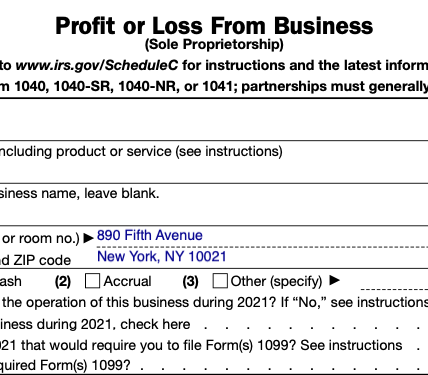
The IRS accepts virtual addresses for business correspondence and tax filings. However, you must provide your actual physical location on certain tax forms. The IRS distinguishes between your principal business address (which can be virtual) and your physical location for tax purposes.
What if my virtual office provider goes out of business?
Choose established providers with strong reputations to minimize this risk. If it occurs, providers should forward your mail and give notice to update your address. This is why it’s important to maintain updated contact information with the USPS and monitor your mail regularly.
Can nonprofits use virtual office addresses?
Yes, many nonprofits use virtual addresses to reduce overhead costs. However, some states have specific requirements for nonprofit business addresses, and certain grant applications may require physical locations. Verify requirements with your state’s nonprofit division.
How does a virtual address affect business credit?
A virtual address can be used when establishing business credit, but consistency is important. Use the same address across all credit applications, supplier accounts, and business registrations. Some lenders may verify your business location, so be prepared to explain your virtual office setup.
Do I need separate virtual addresses for different businesses?
While not always required, using separate addresses for different business entities provides clearer separation and may be beneficial for tax, legal, and organizational purposes. Many entrepreneurs use different addresses for distinct business ventures to maintain separate identities.
Can international businesses use U.S. virtual offices?
Yes, foreign companies commonly use U.S. virtual addresses to establish American presence. This is useful for accessing U.S. markets, banking, and business opportunities. However, it may create tax obligations in the U.S., so consult with an international tax professional about implications for your specific situation.