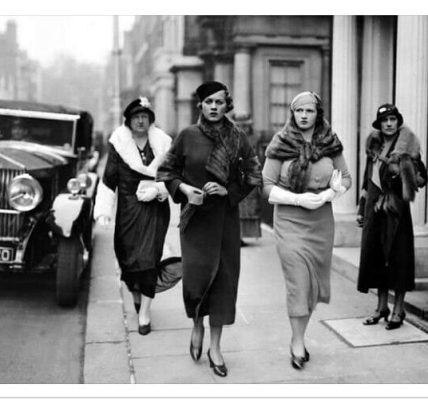

The 1940s stands as one of the most distinctive and transformative decades in fashion history. Shaped profoundly by World War II, this era witnessed fashion evolve from necessity-driven practicality to post-war exuberance and renewed femininity. Understanding 1940s fashion means exploring how global conflict, material shortages, women’s changing roles, and eventual liberation influenced what people wore and how they expressed themselves through clothing.
The Impact of World War II on Fashion
World War II dominated the first half of the 1940s and fundamentally altered fashion in ways both practical and symbolic. The war effort required massive quantities of fabric, leather, metal, and other materials for military uniforms, equipment, and supplies. This created severe shortages of materials previously used in civilian clothing production.
Governments in the United States, Britain, and other Allied nations implemented rationing systems that strictly limited how much fabric could be used in garments. In the United States, the War Production Board issued regulation L-85 in 1942, which restricted the amount of fabric in clothing, eliminated unnecessary embellishments, and standardized garment construction. Britain introduced similar measures through its Utility Clothing Scheme and Clothing Rationing program.
These restrictions transformed fashion practically overnight. Hemlines rose to just below the knee to conserve fabric. Skirts became narrower, losing the fullness popular in previous decades. Jackets shortened. Trouser legs narrowed. Decorative elements like wide belts, excessive pleats, patch pockets, and elaborate trim disappeared from most clothing. The fashion industry adapted by creating stylish designs within these constraints, proving that limitations could inspire creativity rather than stifle it.
Beyond material restrictions, the war changed who wore what and why. Millions of women entered the workforce, taking positions in factories, offices, and farms previously held by men now serving in the military. This shift demanded practical clothing suitable for physical labor and professional environments. Women needed garments they could move in, work in, and maintain easily without excessive washing or dry cleaning.
The psychological impact of wartime also influenced fashion. Maintaining morale became a priority on the home front. Fashion magazines and government campaigns encouraged women to look their best despite shortages, promoting the idea that maintaining appearance demonstrated patriotic spirit and resilience. Looking good became an act of defiance against the enemy and a way to maintain normalcy during extraordinary circumstances.
Women’s Fashion in the 1940s
Women’s fashion during the 1940s evolved through distinct phases, reflecting the changing circumstances from wartime austerity through post-war optimism.
The Silhouette and Shape
The characteristic 1940s silhouette featured broad, squared shoulders created through structured tailoring and padding. This strong shoulder line balanced narrower hips and created a powerful, almost military-inspired shape that projected confidence and capability. The emphasis on shoulders made women appear taller and more authoritative, fitting the era’s demands for female strength and competence.
Waists were clearly defined and often nipped in, creating the essential hourglass shape even within the decade’s more tailored aesthetic. Belts served both functional and decorative purposes, emphasizing the waistline and creating flattering proportions. Skirts typically hit just below the knee, a practical length that conserved fabric while remaining feminine and appropriate for various activities.
The A-line and pencil skirt silhouettes dominated. A-line skirts provided some fullness without excessive fabric use, offering movement and femininity. Pencil skirts, slim and straight, epitomized wartime efficiency and the streamlined aesthetic that characterized early 1940s fashion. Both styles flattered various body types and worked well for both professional and social occasions.
Dresses
Dresses formed the foundation of most women’s wardrobes throughout the 1940s. Day dresses featured practical designs suitable for work, shopping, and home activities. These garments typically incorporated modest necklines, short or three-quarter sleeves, and simple embellishments that didn’t require excessive fabric or materials.
Shirtwaist dresses, with their button-front bodices and belted waists, became wardrobe staples. This versatile style worked for numerous occasions and could be dressed up or down with accessories. The practical design made getting dressed easier without assistance, important as servants became scarce and women managed increasingly busy lives.
Tea dresses offered slightly more elegance for afternoon social occasions. These dresses featured prettier prints, more detailed bodices, and occasionally fuller skirts than everyday wear. They represented an effort to maintain social traditions and feminine grace despite wartime constraints.
Evening wear retained glamour even during the war years. Women created beautiful evening looks using luxurious fabrics when available, employing draping and bias cutting to maximize limited materials. Evening gowns featured longer hemlines than day dresses, elegant necklines, and often incorporated whatever decorative elements women could manage through clever sewing or repurposing.
Suits and Separates
The women’s suit achieved new prominence during the 1940s. Suits projected professionalism and capability, making them ideal for the expanding female workforce. The typical 1940s suit featured a structured jacket with strong shoulders and a nipped waist, paired with a knee-length pencil or A-line skirt.
Victory suits, named for the wartime era, embodied practical elegance. These suits used minimal fabric efficiently, incorporated military-inspired details like patch pockets and brass buttons, and created smart, pulled-together looks appropriate for work and public life. Women often owned just one or two good suits, wearing them repeatedly with different blouses and accessories to create varied looks.
Separates gained popularity as women learned to mix and match pieces to stretch limited wardrobes. A few well-chosen skirts, blouses, and sweaters could create numerous outfit combinations. This approach to dressing reflected both material constraints and the practical needs of working women who required versatile wardrobes.
Blouses came in various styles from tailored shirts to softer, more feminine designs with gentle gathers or modest bows. They provided the variety needed to keep suit-based wardrobes interesting. Sweaters, both cardigans and pullovers, added warmth and casual elegance, often featuring the sweater girl look popularized by Hollywood actresses.
Outerwear
Coats during the 1940s reflected the decade’s emphasis on strong shoulders and streamlined shapes. Fitted coats with defined waists and knee-length or slightly longer hemlines kept women warm while maintaining the era’s silhouette. Swing coats, fuller through the body, offered more room for layering and movement, making them practical for various activities.
Military-inspired details appeared frequently in civilian outerwear. Double-breasted closures, epaulettes, belted waists, and structured collars gave coats an authoritative appearance that suited the times. Colors tended toward practical shades like navy, brown, black, and military green, though women brightened these basics with colorful scarves and accessories.
Shorter jackets and boleros provided lighter coverage for transitional weather. These pieces worked well over dresses and with suits, offering versatility that maximized wardrobe utility. The bolero jacket, ending at or above the waist, became particularly popular for its flattering effect and fabric economy.
Men’s Fashion in the 1940s
While women’s fashion receives more attention when discussing the 1940s, men’s fashion also experienced significant changes driven by war and evolving social attitudes.
Suits and Business Wear
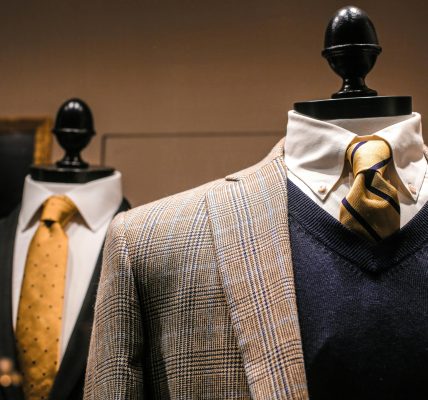
The men’s suit remained the standard for business and formal occasions. Wartime suits featured narrower lapels than those popular in the 1930s, reduced to conserve fabric. Trouser legs became slimmer, losing the wide-leg styles of previous years. Jackets shortened slightly, and vests largely disappeared from three-piece suits as fabric restrictions made them impractical.

Single-breasted suits became more common than double-breasted styles due to their lower fabric requirements. The overall aesthetic moved toward clean lines and minimal embellishment. Colors favored practical shades including gray, brown, navy, and tan, often in subtle patterns like pinstripes or checks.
Military service meant millions of men spent years in uniform, creating a generation comfortable with standardized, practical clothing. This experience influenced civilian fashion, making men more accepting of simplified, functional designs and less concerned with elaborate style variations.
Casual Wear
Casual menswear expanded during the 1940s as attitudes toward formality began relaxing. Sports shirts with collars provided less formal alternatives to dress shirts for weekend and leisure activities. These shirts came in various fabrics and patterns, offering men more expressive options than conservative business attire allowed.
Sweaters gained prominence in casual wardrobes. V-neck pullovers, cardigans, and crew neck sweaters provided warmth and comfort for home and informal occasions. Men often wore sweaters over collared shirts, creating a smart-casual look that worked for various activities.
Trousers for casual wear featured pleated fronts and higher rises than modern styles, maintaining the decade’s emphasis on defined waists and structured silhouettes even in relaxed clothing. Fabrics included wool, cotton, and various blends suitable for different seasons and activities.
The Zoot Suit
One of the most distinctive menswear styles of the 1940s was the zoot suit, popular particularly among African American, Mexican American, and Italian American youth. This exaggerated style featured extremely high-waisted, wide-legged, tight-cuffed trousers, long coats with wide lapels and padded shoulders, and often included flashy accessories like wide-brimmed hats and long watch chains.
The zoot suit represented rebellion against wartime fabric restrictions and mainstream fashion norms. Its excessive use of material directly contradicted rationing requirements, making it controversial and even dangerous to wear in some contexts. The Zoot Suit Riots of 1943 in Los Angeles highlighted tensions between zoot suit wearers and military servicemen, reflecting deeper social and racial conflicts.
Despite or perhaps because of its controversial nature, the zoot suit remains an iconic symbol of 1940s subculture and represents an important chapter in fashion history, demonstrating how clothing choices can carry profound social and political meanings.
Accessories and Details
Accessories played crucial roles in 1940s fashion, allowing people to personalize looks, update existing wardrobes, and express individuality despite wartime constraints.
Hats
Hats remained essential accessories for both men and women throughout the 1940s. Women’s hats came in numerous styles reflecting the decade’s creative spirit. Small, tilted hats perched at jaunty angles became particularly popular, requiring minimal fabric while making bold style statements. Turbans offered exotic flair and worked well for women working in factories where loose hair posed safety hazards.
Fascinators and veiled hats added drama and sophistication to outfits. These pieces often incorporated netting, feathers when available, or fabric flowers created from scraps. The creativity shown in millinery demonstrated how limitations inspired innovation.
Men’s hats maintained more conservative styles. The fedora dominated, worn by businessmen and working-class men alike. Trilby hats offered similar styles with slightly smaller brims. Flat caps remained popular among working-class men for casual wear. Hat-wearing represented respectability and proper grooming for men across social classes.
Shoes
Footwear during the 1940s balanced style with practicality under material constraints. Women’s shoes featured chunky heels rather than slender stilettos, providing stability and requiring less material. Platform soles became popular, adding height without requiring tall heels. These substantial shoes suited the decade’s strong, practical aesthetic.
Peep-toe pumps offered a touch of allure while remaining appropriate for various occasions. T-strap shoes provided secure fits for active women. Spectator shoes with their contrasting toe and heel sections added visual interest. Colors ranged from practical browns and blacks to more adventurous reds and two-tone combinations.
Leather shortages meant shoes often incorporated canvas, cork, and other substitute materials. Women learned to maintain and repair shoes carefully, making them last through years of wear. Wooden-soled shoes appeared in some regions where leather became particularly scarce.
Men’s shoes favored oxford and derby styles in brown or black leather. Wingtip brogues remained popular for business wear. Two-tone spectator shoes offered more casual styling. As with women’s footwear, men’s shoes incorporated substitute materials when necessary and were maintained carefully to extend their useful life.
Hosiery
Stockings represented one of the most challenging aspects of 1940s fashion. Silk and later nylon stockings were highly desirable but became nearly impossible to obtain during the war as these materials went to military use for parachutes and other equipment.
Women employed various strategies to cope with stocking shortages. Some drew seams up the backs of their legs with eyebrow pencils to simulate the appearance of stockings. Others applied leg makeup to create the illusion of hosiery. When stockings were available, women treated them as precious commodities, carefully repairing runs and holes to extend their life.
The postwar reintroduction of nylon stockings created shopping frenzies, with women lining up for hours hoping to purchase limited quantities. This intense demand demonstrated how much these items mattered to women eager to reclaim prewar femininity and luxury.
Jewelry and Other Accessories
Jewelry during the 1940s tended toward substantial, bold pieces that complemented the decade’s strong silhouettes. Large brooches pinned to lapels or worn at necklines provided focal points. Chunky bracelets and substantial earrings balanced the broad shoulders and structured garments.
Materials shifted toward costume jewelry as precious metals went to war production. Creative designers crafted beautiful pieces from base metals, plastics, wood, and other available materials. This democratized jewelry ownership while producing distinctive styles that remain collectible today.
Gloves remained essential accessories for properly dressed women. Short gloves for day wear and longer gloves for evening maintained standards of formality and elegance. Handbags featured structured shapes and practical sizes suitable for carrying necessities. Scarves added color and pattern to outfits, serving both decorative and practical purposes.
Hair and Makeup
Beauty standards and grooming practices during the 1940s reflected both practical constraints and the desire to maintain glamour despite difficult circumstances.
Women’s Hairstyles
Victory rolls became the signature hairstyle of the era. These rolled sections of hair swept up and away from the face, creating volume on top while keeping hair secure. The style worked well for factory workers who needed hair contained for safety, while remaining feminine and fashionable.
Pin curls, set while damp and allowed to dry, created the waves and curls popular throughout the decade. Women often set their hair in pin curls at night, covering them with scarves to sleep, then brushing out the curls in the morning for soft, glamorous waves.
The pompadour style, with hair swept up high on the forehead before rolling back, created dramatic height and worked well with the era’s fashions. Longer hair was typically rolled under at the ends or pinned up in various configurations. Shorter hair styles gained some popularity, particularly the page boy cut that curved under at chin or shoulder length.
Hair accessories including decorative combs, barrettes, and flowers added interest to styled hair. Snoods, netted bags that contained hair at the back of the head, served both practical and decorative purposes, keeping hair neat while adding vintage charm.
Makeup
The 1940s makeup aesthetic emphasized bold, defined features that projected confidence and glamour. Red lipstick became nearly synonymous with the era, symbolizing feminine resilience and defiance of wartime drabness. Shades ranged from bright orange-reds to deeper burgundy tones, all applied precisely to create perfect lip shapes.
Eyebrows were groomed into defined arches, usually darker than natural coloring and carefully shaped to frame the eyes. Some women achieved the thin, arched look popular early in the decade, while slightly fuller brows came back toward the end of the 1940s.
Eye makeup remained relatively subtle compared to lips. Women used brown or gray eyeshadow in matte finishes, applied close to the lash line to define eyes without dramatic color. Mascara darkened lashes, and some women used cake eyeliner to create subtle definition.
Foundation aimed for smooth, matte complexions. Powder helped set makeup and control shine throughout the day. Blush, applied to the apples of cheeks, added healthy color and complemented the bold lip colors.
Christian Dior’s New Look
The most revolutionary fashion moment of the late 1940s came in 1947 when Christian Dior presented his debut haute couture collection in Paris. This collection, dubbed the New Look by fashion press, dramatically departed from wartime austerity and proposed a radically different silhouette.
Dior’s New Look featured rounded, sloping shoulders that contrasted sharply with the squared, padded shoulders of wartime fashion. Tiny, cinched waists emphasized femininity and required foundation garments to achieve. Full, voluminous skirts used enormous quantities of fabric, some designs incorporating twenty or more yards of material in a single skirt. Longer hemlines dropped to mid-calf or ankle, rejecting the practical shorter lengths worn during the war.
The New Look celebrated femininity, luxury, and abundance after years of restriction. It represented hope for peace and prosperity, offering women the chance to dress in overtly feminine, impractical, beautiful clothing after years of functional wartime wear.
Initial reactions were mixed. Many women embraced the romantic, ultra-feminine aesthetic enthusiastically. Others criticized the style as wasteful and impractical, particularly those who had grown accustomed to easier, more comfortable wartime fashions. Some protested the return to restrictive, uncomfortable clothing after experiencing the liberation of more practical styles.
Despite controversy, the New Look profoundly influenced fashion for the next decade. By the late 1940s, the silhouette began appearing in ready-to-wear fashion, and by the 1950s, its principles dominated mainstream fashion. The New Look marked fashion’s transition from wartime necessity to postwar abundance and optimism.
Colors and Patterns
The color palette and patterns of 1940s fashion reflected both material constraints and psychological needs during difficult times.
Early 1940s colors tended toward practical, subdued shades. Navy, brown, gray, beige, and military green dominated, partly due to dye shortages and partly reflecting the somber wartime mood. These neutral colors also proved versatile, easily mixed and matched to maximize limited wardrobes.
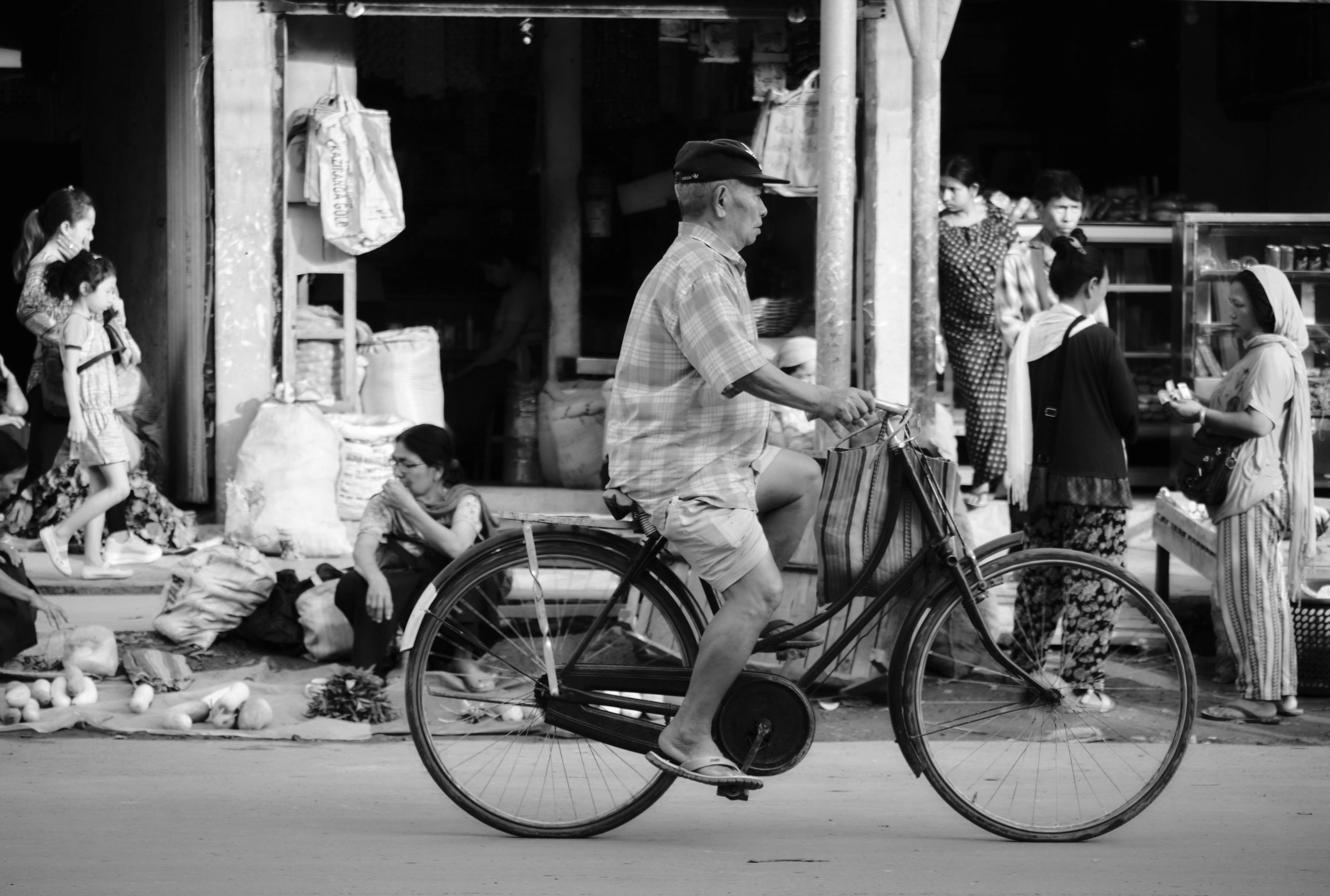
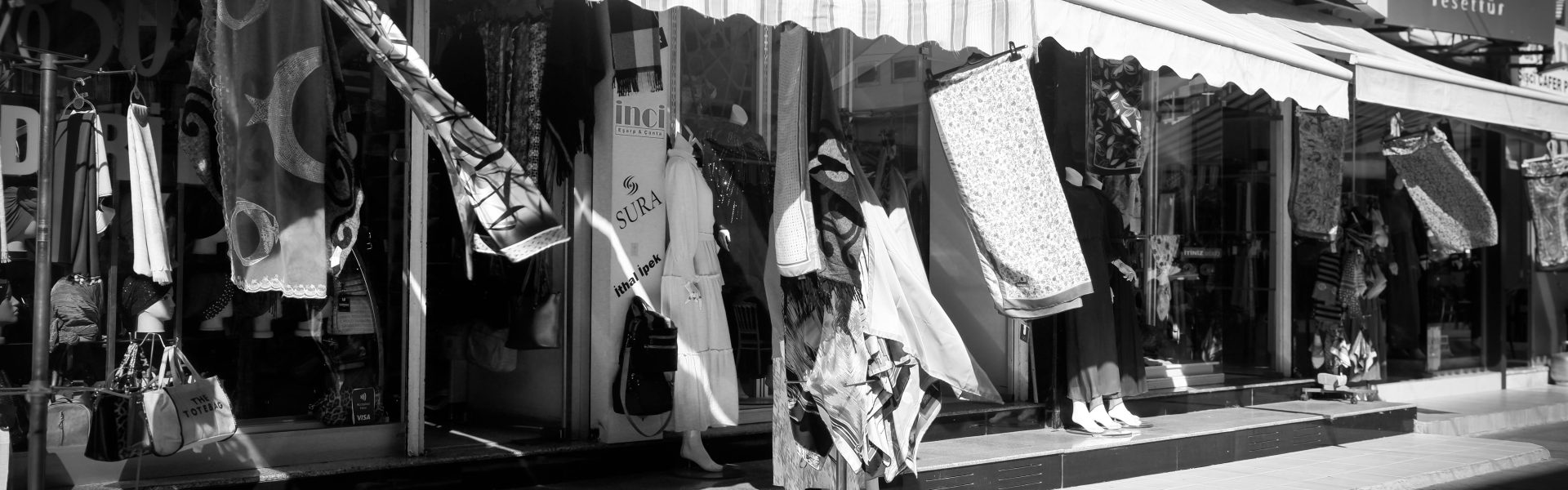
However, women counterbalanced drab necessities with colorful accents wherever possible. Bright scarves, vibrant jewelry, and bold lipstick added cheerful touches to otherwise conservative outfits. This injection of color represented defiance of wartime gloom and determination to maintain femininity and joy.
Patterns during the war years favored small-scale prints that used fabric efficiently. Florals remained popular, ranging from tiny scattered flowers to medium-sized blooms. Polka dots appeared frequently, offering playful charm with minimal fabric waste. Plaids and checks provided visual interest in neutral color schemes.
As the decade progressed and the war ended, bolder colors and larger patterns emerged. Bright reds, royal blues, and rich greens appeared more frequently. Tropical prints gained popularity, perhaps reflecting desires to escape to exotic locales after years of restricted travel. Abstract and geometric patterns showed modernist influences.
Make Do and Mend Movement
The make do and mend philosophy became essential during the 1940s, fundamentally changing how people approached clothing and fashion. Governments promoted this mindset through propaganda campaigns encouraging citizens to repair, remake, and maximize the utility of existing clothing rather than purchasing new items.
Women learned or relearned sewing skills, enabling them to create new garments from scratch when fabric was available or to alter existing pieces to extend their usefulness. Home sewing machines saw heavy use as women constructed clothing for their families, following patterns designed to minimize fabric waste while creating fashionable results.
Remaking old garments into new ones became an art form. Women turned men’s suits into women’s suits, refashioned adult clothing into children’s wear as families grew, and combined parts from multiple worn garments to create wearable pieces. Creativity flourished as necessity demanded innovation.
Visible mending became socially acceptable and even fashionable. Patches, darning, and repairs that would have been hidden or considered shameful in previous decades were worn openly, often turned into decorative elements. This shift in attitudes reflected collective understanding that everyone faced similar constraints and that maintaining clothing demonstrated resourcefulness rather than poverty.
Influence of Hollywood
Hollywood wielded enormous influence over 1940s fashion despite or perhaps because of wartime challenges. Movie stars represented glamour, escapism, and aspiration during difficult times. Women looked to actresses for style inspiration and sought to emulate their favorite stars’ looks within their own budgetary and material constraints.
Leading ladies including Rita Hayworth, Veronica Lake, Lauren Bacall, Katharine Hepburn, and Ingrid Bergman set trends through their on-screen appearances and publicity photos. Their hairstyles, makeup, and clothing choices inspired countless women.
Rita Hayworth’s glamorous waves and confident persona made her a style icon. Veronica Lake’s peek-a-boo hairstyle became so popular that the government requested she change it because women working in factories were copying the style and getting their hair caught in machinery. Lauren Bacall’s sophisticated, slightly androgynous style influenced women’s suiting. Katharine Hepburn’s preference for trousers helped normalize pants for women.
Pin-up photography flourished during the war, with images of beautiful women in swimsuits, shorts, or evening gowns decorating military barracks and bomber aircraft. Betty Grable became the most famous pin-up, her image reportedly appearing on two million posters. These images provided morale boosts to servicemen while the women pictured became fashion icons.
Hollywood’s influence extended beyond individual stars to overall aesthetics. Film noir’s dark, dramatic visual style influenced evening wear and photography. Musicals provided colorful escapism and showcased elaborate costumes that inspired civilian fashion within practical constraints.
The Transition to the 1950s
As the 1940s drew to a close, fashion stood at a transitional moment between wartime practicality and the full flowering of postwar prosperity that would define 1950s style.
The New Look’s influence spread gradually through ready-to-wear fashion. Not all women immediately abandoned the strong-shouldered, practical styles they had worn throughout the war, but the direction of fashion clearly moved toward the softer, more feminine aesthetic Dior had introduced.
Economic conditions improved as nations recovered from war devastation and soldiers returned home. This growing prosperity enabled more spending on clothing and fashion. Manufacturing capacity that had been devoted to military production converted back to civilian goods, making fabrics and ready-made clothing more available.
Social attitudes shifted as well. Women who had worked in factories and offices during the war faced pressure to return to domestic roles, making way for returning veterans in the workforce. Fashion reflected this push toward traditional femininity, with styles emphasizing curves, delicacy, and domesticity.
The stage was set for the 1950s, when fashion would fully embrace the ultra-feminine, meticulously groomed aesthetic that began emerging in the late 1940s. However, the practical, capable spirit that characterized 1940s fashion never entirely disappeared, influencing fashion philosophy and women’s attitudes toward clothing for generations to come.
Frequently Asked Questions (FAQs)
What are the defining characteristics of 1940s fashion?
The defining characteristics include broad, padded shoulders that created a strong, squared silhouette, defined waists often emphasized with belts, knee-length A-line or pencil skirts, practical fabrics and minimal embellishment due to wartime rationing, military-inspired details like brass buttons and structured tailoring, and victory rolls and pinned hairstyles. Early 1940s fashion emphasized practicality and fabric economy due to World War II, while late 1940s fashion began transitioning toward Christian Dior’s New Look with softer shoulders and fuller skirts. The overall aesthetic balanced femininity with functionality, reflecting women’s expanded roles during wartime while maintaining glamorous aspirations despite material constraints.
How did World War II affect fashion in the 1940s?
World War II profoundly impacted fashion through fabric rationing that limited yardage available for clothing, restrictions on embellishments like metal zippers and buttons needed for military equipment, shorter hemlines and narrower skirts to conserve fabric, elimination of trouser cuffs and excessive pleating, and government regulations controlling garment construction. The war also changed what people wore by necessitating practical clothing for women entering the workforce and promoting the make do and mend movement that encouraged repairing and remaking existing garments. Fashion became more democratic as rationing affected all social classes similarly. Despite restrictions, people maintained interest in looking fashionable, viewing it as maintaining morale and normal life during extraordinary circumstances. The wartime experience created lasting changes in how people thought about clothing functionality and versatility.
What is Christian Dior’s New Look and when did it appear?
Christian Dior’s New Look debuted in 1947 with his first haute couture collection in Paris. The style dramatically departed from wartime fashion with soft, rounded shoulders replacing squared, padded shoulders, extremely cinched waists requiring foundation garments, full, voluminous skirts using enormous quantities of fabric, and longer hemlines dropping to mid-calf or ankle length. The New Look celebrated femininity, luxury, and abundance after years of wartime restriction. Initial reactions were mixed, with some embracing the romantic aesthetic while others criticized it as wasteful and impractical. Despite controversy, the New Look profoundly influenced fashion, gradually spreading through ready-to-wear and ultimately dominating 1950s fashion. It represented fashion’s transition from wartime necessity to postwar optimism and prosperity.
How can I create an authentic 1940s look today?
To create an authentic 1940s look, start with the silhouette by choosing garments with structured shoulders, a defined waist, and knee-length skirts or wide-leg trousers. Look for vintage reproduction brands specializing in 1940s styles, or find authentic vintage pieces through specialty shops and online retailers. Key garments include pencil skirts or A-line skirts hitting just below the knee, blouses with modest necklines and short sleeves, tailored jackets with shoulder pads, and tea-length dresses with belted waists. Complete the look with period-appropriate accessories including small tilted hats or fascinators, chunky heels or platform shoes with peep toes, seamed stockings or bare legs with drawn seams, structured handbags, and bold jewelry. Style hair in victory rolls, pin curls, or waves, and apply period makeup emphasizing red lipstick and defined brows.
What hairstyles were popular in the 1940s?
Popular 1940s hairstyles included victory rolls, where sections of hair were rolled upward and pinned to create volume, pin curls that created soft waves throughout the hair, pompadours with hair swept high on the forehead then rolled back, page boy cuts with hair curled under at chin or shoulder length, and various updos with hair pinned at the back while front sections were styled in rolls or waves. Women often used snoods to contain hair in decorative nets. Hair was typically shoulder-length or longer, though some women wore shorter styles. Setting hair in rollers or pin curls at night was common practice. The overall aesthetic emphasized volume on top, hair pulled away from the face, and carefully styled waves or curls. These styles worked well for both practicality in workplaces and maintaining feminine glamour.
What did men wear in the 1940s?
Men’s 1940s fashion centered on suits for business and formal occasions, featuring narrower lapels than 1930s styles, slimmer trouser legs without excessive width, single-breasted jackets more common than double-breasted due to fabric rationing, and colors in gray, brown, navy, or tan with subtle patterns. Casual wear expanded during the decade with sports shirts with collars for weekend wear, sweaters including V-necks and cardigans, and pleated trousers with higher rises for informal occasions. Accessories included fedora or trilby hats worn by most men, oxford or derby shoes in brown or black, and simple ties and pocket squares. The zoot suit represented an important subcultural style with extremely wide-legged trousers, long coats with wide lapels, and flashy accessories, popular among minority youth despite its controversial nature. Overall, menswear emphasized practicality, clean lines, and minimal embellishment.
Where can I buy 1940s style clothing today?
Several options exist for purchasing 1940s style clothing. Reproduction vintage brands including Collectif, Hell Bunny, Unique Vintage, Stop Staring, and Trashy Diva create new clothing in authentic 1940s styles. Mainstream retailers occasionally offer 1940s inspired pieces during vintage trend cycles. For authentic vintage, try specialty vintage clothing stores in larger cities, online vintage retailers like Etsy, eBay, and specialized vintage sites, vintage clothing fairs and markets, and estate sales or thrift stores. When buying authentic vintage, carefully check condition, as 80-year-old garments may have wear, damage, or sizing that differs from modern standards. Reproduction pieces offer the advantage of modern sizing and construction while maintaining period aesthetics. Custom dressmakers who specialize in vintage styles can create garments tailored specifically to your measurements using authentic patterns.
What shoes did women wear in the 1940s?
Women’s 1940s footwear featured chunky heels providing stability rather than slender stilettos, platform soles that added height without requiring tall heels, peep-toe pumps offering stylish allure, T-strap shoes providing secure fits for active women, and spectator shoes with contrasting toe and heel sections adding visual interest. Colors ranged from practical browns and blacks to bolder reds and two-tone combinations. Due to leather shortages during wartime, shoes often incorporated canvas, cork, and other substitute materials. Wooden-soled shoes appeared in some regions. Women carefully maintained and repaired shoes to extend their life during material shortages. The overall aesthetic favored substantial, practical footwear that suited the decade’s active lifestyles while maintaining feminine appeal. Ankle straps and closed toes were common, with styles balancing comfort, durability, and fashion.
How did women manage without stockings during the war?
Stocking shortages during World War II led to creative solutions. Women drew seams up the backs of their bare legs using eyebrow pencils or special leg makeup pencils to simulate stocking seams. Leg makeup products in various skin tones created the appearance of hosiery when applied to bare legs. Some women used gravy browning or other household products, though these could stain clothing and required careful application. When stockings were available, women treated them as precious commodities, carefully mending runs and holes with needle and thread or clear nail polish to extend wear. Going bare-legged became somewhat acceptable during summer months, though many women felt uncomfortable without the polished look stockings provided. The postwar reintroduction of nylon stockings in the late 1940s created massive demand, with women lining up for hours hoping to purchase limited supplies.
What colors were popular in 1940s fashion?
Early 1940s colors reflected wartime austerity with navy blue, brown, gray, beige, and military green dominating practical wardrobes. These neutral colors proved versatile and hid wear well. Black remained classic for dressier occasions. However, women added colorful accents through accessories including bright red lipstick, colorful scarves and jewelry, and vibrant trim on otherwise neutral garments. As the decade progressed and wartime restrictions eased, bolder colors emerged including bright red, royal blue, forest green, and mustard yellow. Patterns incorporated florals in various scales, polka dots ranging from tiny to large, plaids and checks, and increasingly bold prints toward the late 1940s. Postwar fashion embraced more saturated colors and larger patterns as fabric became more available and spirits lifted with peace and recovery.
What is the make do and mend movement?
Make do and mend was a philosophy promoted by governments during World War II encouraging citizens to repair, remake, and maximize existing clothing rather than purchasing new items. The movement taught practical skills including darning and patching worn areas, unpicking and remaking old garments into new styles, combining parts from multiple worn items to create wearable pieces, and turning adult clothing into children’s garments as families grew. Visible mending became socially acceptable rather than shameful, reflecting shared understanding of wartime constraints. Home sewing increased dramatically as women created garments from limited fabric supplies or altered existing pieces. The movement represented both practical necessity and patriotic duty, as conserving materials supported the war effort. These attitudes toward clothing care, repair, and creative reuse influenced generations, promoting sustainability concepts that remain relevant today. The movement demonstrated how necessity inspires creativity and resourcefulness.
How did Hollywood influence 1940s fashion?
Hollywood wielded enormous influence over 1940s fashion through movie stars who set trends via on-screen appearances and publicity photos. Leading ladies including Rita Hayworth, Veronica Lake, Lauren Bacall, and Katharine Hepburn inspired countless women with their hairstyles, makeup, and clothing choices. Pin-up photography featuring actresses like Betty Grable provided morale boosts to servicemen while making these women fashion icons. Film noir’s dramatic aesthetic influenced evening wear styling, while colorful musicals showcased elaborate costumes that inspired civilian fashion. Studios’ publicity machines ensured wide distribution of star images through magazines and newspapers, making Hollywood style accessible even to women in remote locations. Women adapted these glamorous looks to their own budgets and circumstances, creating democratized versions of movie star style. Hollywood represented escapism and aspiration during difficult times, making its fashion influence particularly powerful throughout the decade.
Conclusion
The 1940s remains one of fashion’s most fascinating decades, demonstrating how creativity flourishes even under extreme constraints. Wartime necessity created distinctive styles that balanced practicality with beauty, functionality with femininity, and restraint with glamour. Women’s expanded roles during the war influenced fashion toward more versatile, durable clothing suitable for active lives, while the desire to maintain morale kept fashion relevant and aspirational.
The transition from wartime austerity to postwar abundance, culminating in Christian Dior’s revolutionary New Look, marked one of fashion’s most dramatic shifts. This evolution reflected changing social conditions, economic recovery, and evolving attitudes toward femininity and women’s roles.
Today, 1940s fashion continues inspiring designers, costume enthusiasts, and anyone drawn to the era’s unique aesthetic. The decade’s emphasis on well-made, versatile clothing, creative problem-solving in the face of limitations, and the balance between practicality and beauty offers lessons that remain relevant. Whether you’re drawn to the strong-shouldered wartime look or the softer romance of the late 1940s, this decade provides endless inspiration for creating distinctive, timeless style.