Sport tuning ST15 has become increasingly popular among enthusiasts who want to unlock their vehicle’s full potential. Whether you’re seeking improved performance, better handling, or enhanced aesthetics, understanding the fundamentals of ST15 tuning can transform your driving experience.
Understanding ST15 Sport Tuning
Sport tuning refers to the process of modifying and optimizing various components of your ST15 to enhance performance, efficiency, and driving dynamics. Unlike basic modifications, sport tuning takes a holistic approach that considers how different systems work together to deliver superior results.
The ST15 platform offers exceptional tuning potential thanks to its robust engine architecture and responsive chassis design. Many owners discover that even modest modifications can yield significant improvements in power delivery, throttle response, and overall drivability.
Key Performance Modifications
Engine Tuning
The heart of any sport tuning project lies in engine optimization. For the ST15, this typically begins with ECU remapping or chip tuning, which adjusts fuel delivery, ignition timing, and boost pressure to extract additional horsepower and torque. Professional tuners can often achieve 15-25% power gains through calibration alone.
Cold air intake systems represent another popular modification, allowing the engine to breathe more freely by drawing cooler, denser air. Combined with a high-flow exhaust system, these modifications create a more efficient pathway for air to enter and exit the engine, resulting in improved power output and a more aggressive exhaust note.
Suspension and Handling
Sport tuning extends beyond engine performance. Upgrading your ST15’s suspension with performance coilovers or sport springs lowers the center of gravity while reducing body roll during cornering. Adjustable dampers allow you to fine-tune the setup for different driving conditions, from daily commuting to spirited track sessions.
Performance brake systems are essential when increasing power output. Upgraded brake pads, rotors, and stainless steel braided lines provide better stopping power and fade resistance, ensuring your ST15 can safely handle its enhanced performance capabilities.
Drivetrain Enhancements
The drivetrain transmits power from the engine to the wheels, and optimizing this system maximizes your tuning efforts. A performance clutch kit helps handle increased torque while improving pedal feel and engagement. Limited-slip differentials improve traction by distributing power more effectively between the drive wheels, particularly during acceleration out of corners.
Aesthetic and Functional Upgrades
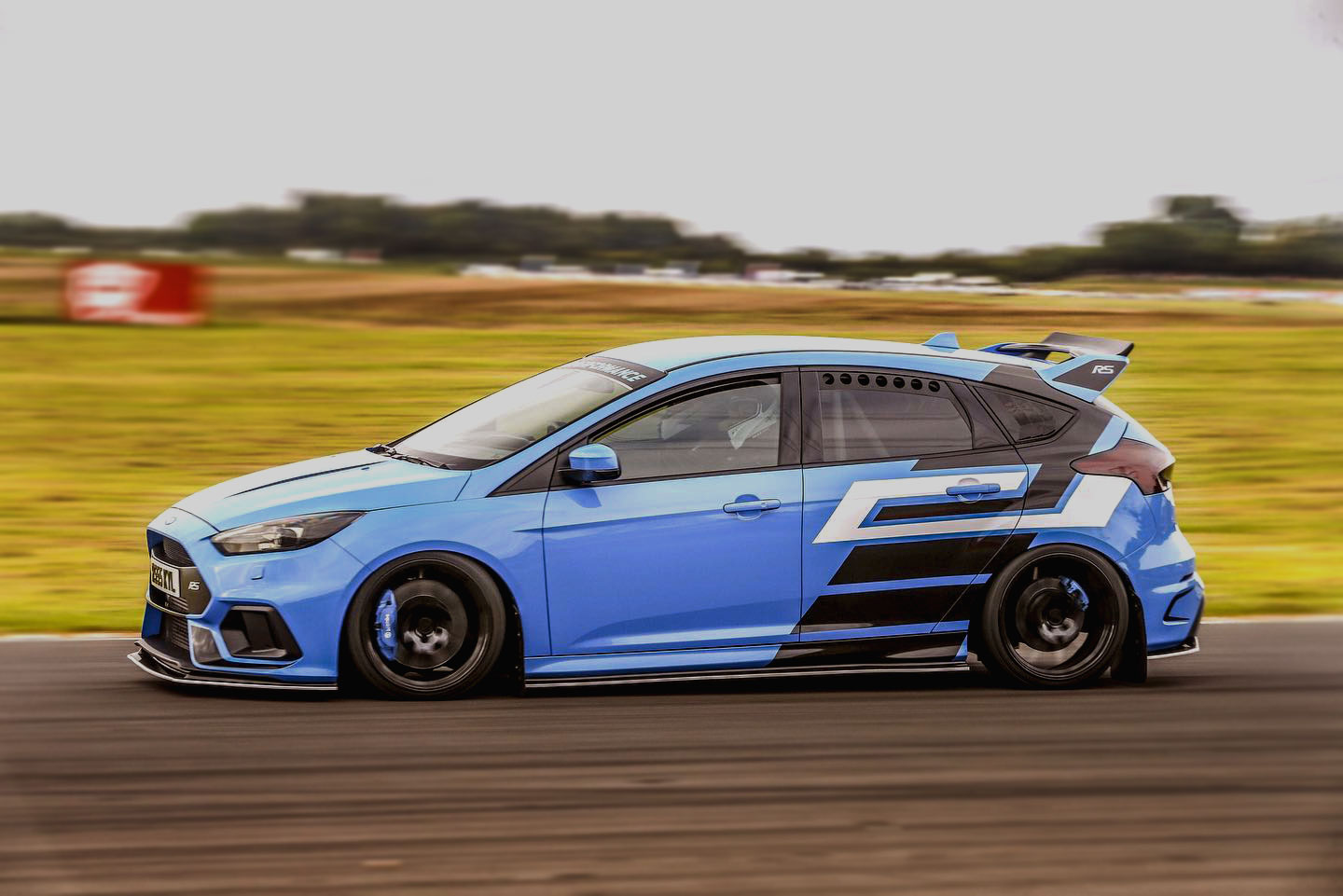
Sport tuning isn’t solely about performance. Many ST15 owners incorporate visual modifications that complement their mechanical upgrades. Aerodynamic body kits can reduce drag and increase downforce at higher speeds, while lightweight alloy wheels decrease unsprung weight for improved handling and acceleration.
Interior upgrades such as sport seats, racing harnesses, and short-shift kits enhance the driving experience by providing better support and more direct control inputs. These modifications bridge the gap between performance and comfort, making your tuned ST15 enjoyable for both daily driving and performance applications.
The Importance of Professional Tuning
While many modifications can be installed by experienced enthusiasts, proper calibration requires professional expertise. Dyno tuning ensures your ST15’s engine management system is optimized for your specific combination of modifications, preventing potential damage from running too lean or experiencing detonation.
Professional tuners also conduct thorough diagnostics to identify any underlying issues before they become serious problems. This preventive approach protects your investment and ensures reliable performance over the long term.
Maintenance Considerations
Increased performance demands more from every component in your ST15. Regular maintenance becomes even more critical after tuning modifications. More frequent oil changes with high-quality synthetic lubricants, regular inspection of boost hoses and connections, and monitoring of vital parameters help maintain reliability.
Many tuned ST15 owners install performance monitoring gauges to track boost pressure, air-fuel ratios, and oil temperatures in real-time. These instruments provide valuable feedback and early warning signs of potential issues, allowing for proactive maintenance.
Legal and Insurance Implications
Before embarking on your tuning journey, research local regulations regarding vehicle modifications. Some jurisdictions have strict emissions standards or noise restrictions that may limit certain modifications. Additionally, inform your insurance provider about any modifications, as failing to do so could invalidate your coverage in the event of a claim.
Building Your Tuning Plan
Successful sport tuning requires a well-thought-out plan that aligns with your goals and budget. Start with fundamental modifications that provide the best return on investment, such as ECU tuning and intake/exhaust upgrades. As you become more comfortable with your tuned ST15, you can progressively add more advanced modifications.
Join ST15 enthusiast communities and forums to learn from others’ experiences. These resources provide valuable insights into which modifications work best, which vendors offer quality products, and how to avoid common pitfalls. The collective knowledge of the community can save you time, money, and frustration.
The Future of ST15 Tuning
As automotive technology evolves, so do tuning possibilities. Modern diagnostic tools and tuning software make it easier than ever to safely extract performance from the ST15 platform. Emerging technologies like hybrid turbocharger systems and advanced engine management solutions continue to push the boundaries of what’s possible.

The ST15 tuning scene remains vibrant and innovative, with new products and techniques constantly emerging. Whether you’re seeking modest improvements or building a high-performance machine, the possibilities are limited only by your imagination and budget.
Frequently Asked Questions (FAQs)
What is the best first modification for ST15 sport tuning?
The best starting point is typically ECU remapping or chip tuning. This modification provides significant power gains without requiring extensive mechanical work and serves as a foundation for future upgrades. It’s cost-effective and reversible, making it ideal for beginners.
How much horsepower can I expect from a fully tuned ST15?
Power gains depend heavily on your specific modifications and the condition of your vehicle. A Stage 1 tune (ECU remap, intake, exhaust) typically yields 15-25% increases, while more extensive modifications with upgraded turbochargers, fuel systems, and internal engine components can double stock power output. Always tune conservatively to maintain reliability.
Will tuning my ST15 void the manufacturer’s warranty?
Most manufacturer warranties include clauses that void coverage for damage directly related to modifications. However, warranty laws vary by region. Some modifications may not affect unrelated warranty claims, but it’s essential to understand your specific warranty terms and consider aftermarket warranty options for modified vehicles.
Do I need to upgrade my fuel system when tuning?
For moderate tuning (up to 20-30% power increase), the stock fuel system usually suffices. More aggressive builds require upgraded fuel pumps, larger injectors, and potentially a higher-capacity fuel pressure regulator to ensure adequate fuel delivery and prevent dangerous lean conditions.
How often should I service my tuned ST15?
Tuned vehicles should follow more aggressive maintenance schedules than stock. Change oil every 3,000-5,000 miles using high-quality synthetic oil, inspect spark plugs every 10,000 miles, and check boost hoses and connections regularly. Have your tune reviewed annually or after any mechanical changes.
Can I tune my ST15 myself, or do I need a professional?
While installing bolt-on parts is achievable for skilled DIY enthusiasts, ECU tuning requires professional expertise and specialized equipment. Improper tuning can cause severe engine damage. Always have a qualified tuner perform dyno tuning and calibration work to ensure safety and reliability.
What are the most common mistakes in ST15 tuning?
Common mistakes include: installing parts without proper tuning, neglecting supporting modifications (like fuel system upgrades), choosing cheap, low-quality parts, ignoring maintenance requirements, and pursuing excessive power without considering drivability and reliability.
Will sport tuning affect my fuel economy?
It depends on your driving style and specific modifications. While tuned engines can be more efficient under light loads, most tuned ST15 owners report slightly decreased fuel economy due to improved performance encouraging more spirited driving. Proper tuning can minimize fuel consumption increases.
Are there emissions concerns with sport tuning?
Yes, removing or modifying emissions equipment can make your ST15 illegal for street use in many jurisdictions and cause it to fail emissions testing. Many professional tuners offer emissions-compliant tunes that improve performance while maintaining legal status.
How long does it take to tune an ST15?
Basic ECU remapping takes 2-4 hours. More comprehensive dyno tuning with multiple modification stages can require a full day or more. Custom builds with extensive mechanical work may take weeks or months depending on the scope of modifications.
What’s the difference between Stage 1, Stage 2, and Stage 3 tuning?
- Stage 1: ECU remap with minimal bolt-on modifications (intake, exhaust)
- Stage 2: Includes upgraded intercooler, downpipe, and more aggressive tuning
- Stage 3: Comprehensive modifications including upgraded turbocharger, fuel system, internals, and supporting modifications
Each stage builds upon the previous one and requires increasingly sophisticated tuning and components.
Can I return my ST15 to stock after tuning?
Yes, most modifications can be reversed. ECU tunes can typically be flashed back to stock programming, and bolt-on parts can be removed. However, some modifications (like internal engine work) are permanent or impractical to reverse.