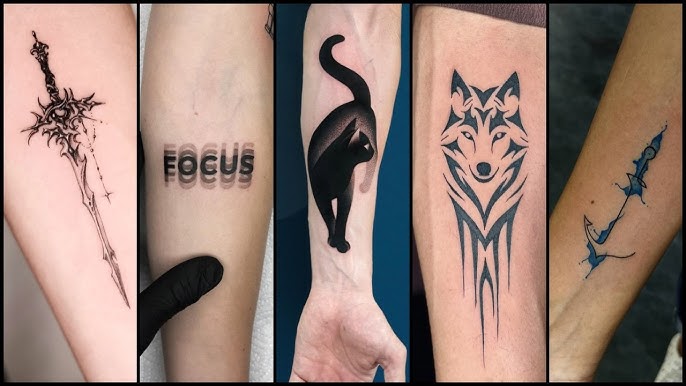

Wrist tattoos have become increasingly popular among men seeking meaningful body art in a visible yet manageable location. Whether you’re considering your first tattoo or adding to an existing collection, the wrist offers a unique canvas that balances personal expression with professional versatility. This comprehensive guide explores everything you need to know about wrist tattoos for men, from design selection to aftercare and beyond.
Why Men Choose Wrist Tattoos
The wrist represents one of the most versatile placement options for male body art. This location offers constant visibility, allowing you to see and appreciate your tattoo daily without needing a mirror. Unlike back or shoulder pieces that remain hidden most of the time, wrist tattoos become part of your everyday visual experience.
Visibility also makes wrist tattoos ideal for designs with personal significance or motivational messages. Many men choose wrist placements for reminders of important life lessons, memorial tributes to loved ones, or symbols representing core values. Having these meaningful images within constant view reinforces their significance throughout daily life.
The wrist’s relatively small surface area encourages thoughtful design selection. Unlike larger canvases that can accommodate complex, detailed artwork, wrist tattoos typically feature clean, bold designs that maintain clarity and impact despite limited space. This constraint often results in more focused, meaningful choices rather than impulsive decisions.
Professional considerations also influence wrist tattoo popularity. While visible, wrist tattoos can be easily covered with long sleeves or watches when workplace situations require more conservative appearance. This flexibility appeals to men balancing personal expression with professional obligations.
Anatomy and Placement Considerations
Inner Wrist
The inner wrist remains the most popular placement for men’s wrist tattoos. This flat, visible surface provides an ideal canvas for horizontal designs, text, or symbols meant to be viewed when the palm faces upward. The inner wrist offers maximum visibility to the wearer while remaining easily concealable with sleeves or accessories.
Pain levels on the inner wrist are moderate, as the area contains less muscle and fat cushioning than other body parts. The proximity to tendons, veins, and nerves creates a sharper sensation during tattooing. However, most men find the discomfort manageable, especially for smaller designs requiring shorter session times.
The inner wrist’s thin skin and frequent movement mean tattoos in this location require precise application and proper healing care. The area experiences constant flexing during hand and wrist movement, which can affect healing if not properly protected during the initial recovery period.
Outer Wrist
Outer wrist tattoos wrap around the side of the wrist, offering visibility from multiple angles. This placement works beautifully for designs meant to be seen by others or for artwork that benefits from the wrist’s curved surface. The outer wrist provides slightly more space than the inner wrist, accommodating larger or more elaborate designs.
The outer wrist generally involves similar pain levels to the inner wrist, though some men report slightly less discomfort due to the area’s angle and positioning during tattooing. The curved surface can present technical challenges for artists, requiring skill to ensure designs appear properly proportioned from all viewing angles.
This placement offers excellent versatility for designs that wrap partially or completely around the wrist, creating bracelet or cuff effects. The outer wrist also connects naturally to forearm pieces, making it popular for men planning to extend their tattoo collection over time.
Wrist Band and Cuff Designs
Bracelet or band tattoos that wrap completely around the wrist create striking visual impact. These designs can be simple solid bands, intricate tribal patterns, geometric arrangements, or detailed artwork that encircles the entire wrist. The continuous nature of band tattoos symbolizes eternity, unity, or completeness for many wearers.
Creating successful band tattoos requires significant skill, as the artist must account for the wrist’s irregular shape and ensure the design connects seamlessly where the ends meet. Quality band tattoos should appear continuous from all viewing angles without obvious start or end points.
Band tattoos involve longer session times and cover more surface area than single-side wrist pieces, resulting in extended exposure to tattooing discomfort. The complete coverage also means more extensive healing requirements and careful aftercare to ensure all sections heal properly.
Wrist to Hand Connection
Some men choose designs that extend from the wrist onto the hand, creating connected compositions that flow across both areas. These integrated pieces require careful planning to ensure the design works cohesively across the wrist’s transition to the hand’s different skin texture and movement patterns.
Hand portions of these tattoos typically face faster fading due to constant hand washing, sun exposure, and the hand’s skin characteristics. Regular touch-ups maintain the design’s intended appearance over time. The increased visibility of hand tattoos also carries additional professional and social considerations.
Popular Design Styles for Men
Minimalist and Simple Designs
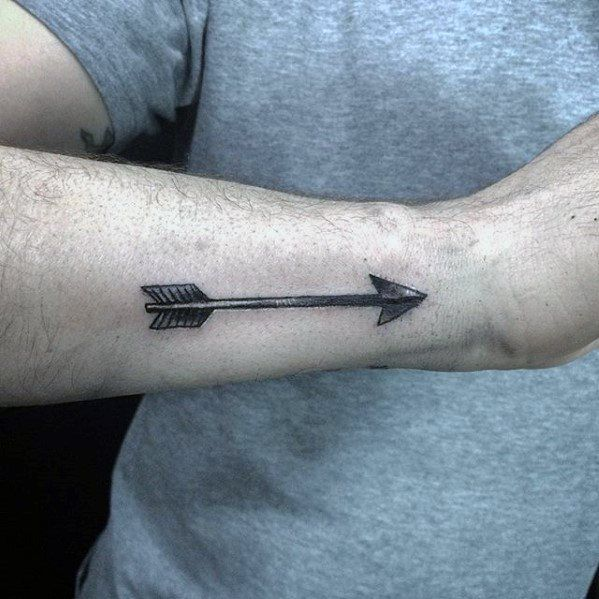
Minimalist wrist tattoos use clean lines, basic shapes, and uncluttered compositions to create impactful yet understated designs. This aesthetic appeals to men seeking subtle body art that doesn’t overwhelm the wrist’s limited space. Single-line drawings, basic geometric shapes, small symbols, and simple icons all work beautifully in minimalist styles.
The minimalist approach often focuses on symbolic meaning rather than visual complexity. A single arrow representing direction and purpose, a small mountain symbolizing overcoming obstacles, or a basic compass pointing toward true north can carry profound personal significance despite simple execution.
Minimalist tattoos typically age well due to their bold, clear lines and lack of intricate detail that might blur over time. The straightforward nature of these designs also makes them excellent first tattoos for men new to body art.
Geometric and Abstract Patterns
Geometric wrist tattoos incorporate shapes, lines, angles, and mathematical precision to create visually striking designs. From simple triangles and circles to complex sacred geometry patterns, these tattoos appeal to men drawn to symmetry, order, and modern aesthetics. The clean, masculine nature of geometric work suits the wrist’s small canvas perfectly.
Abstract geometric designs can represent various concepts depending on the shapes and arrangements used. Sacred geometry incorporates shapes believed to hold spiritual significance, while modern geometric work focuses purely on visual impact and artistic composition. Many men appreciate geometric tattoos for their timeless, non-representational nature that won’t become dated or lose relevance.
The precision required for quality geometric tattoos demands experienced artists skilled in creating perfectly straight lines and properly proportioned shapes. Even minor imperfections become obvious in geometric work, making artist selection particularly important for these designs.
Traditional and Tribal Styles
Traditional tattoo styles bring bold, timeless aesthetics to wrist placements. American traditional designs feature thick black outlines, limited color palettes, and iconic imagery like anchors, roses, daggers, and eagles. These classic designs have proven staying power, remaining popular and visually appealing for decades.
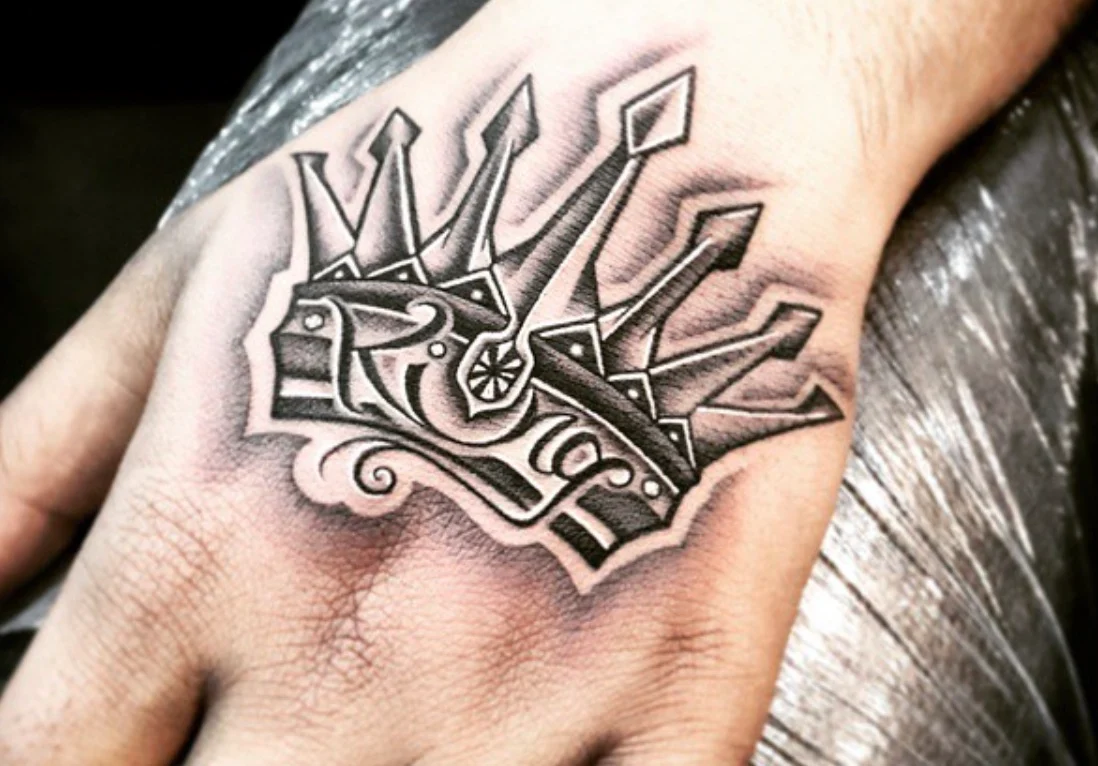
Tribal tattoos draw inspiration from indigenous cultures, featuring bold black patterns, negative space, and flowing designs that follow body contours. Polynesian, Maori, Celtic, and other tribal styles create masculine, powerful wrist pieces. However, cultural sensitivity and understanding the meaning behind tribal designs remains important when selecting these tattoos.
Traditional and tribal styles suit the wrist particularly well because their bold execution ensures longevity and readability despite the challenging placement. The strong contrast and solid black work resist fading better than more delicate styles.
Script and Lettering
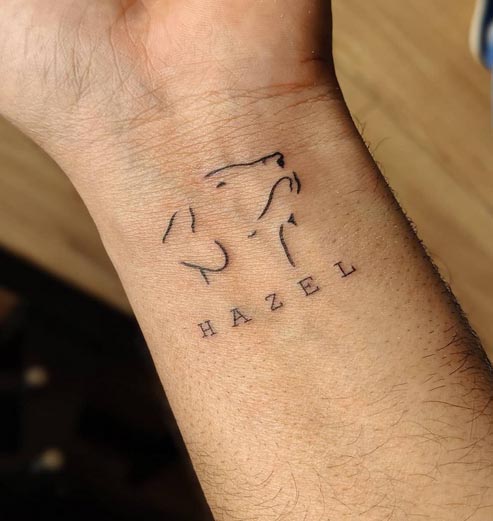
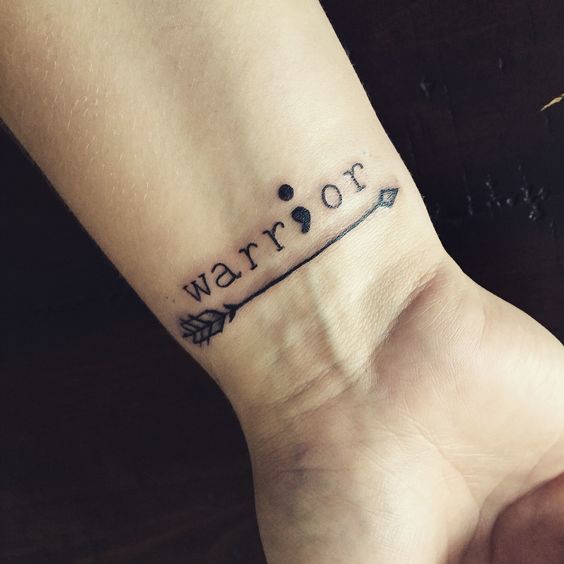
Text-based wrist tattoos allow men to carry meaningful words, phrases, names, or dates permanently within view. Font selection dramatically impacts the overall aesthetic, with options ranging from elegant script and classic serif fonts to bold gothic lettering and modern sans-serif styles. The font should match the message’s tone and your personal style.
Short phrases, single words, or abbreviated text work best on the wrist’s limited space. Popular choices include motivational mantras, memorial dates, initials of loved ones, coordinates of meaningful locations, and philosophical quotes that guide daily life. Foreign language text adds privacy and mystique while still carrying personal meaning.
Script tattoos require careful planning regarding readability and orientation. Consider whether you want text oriented for your own reading or for others viewing your wrist. Also account for how wrist movement and hand positioning might affect text legibility from various angles.
Symbolic and Iconic Imagery
Symbol-based wrist tattoos use universally recognized or personally meaningful icons to convey messages without words. Crosses represent faith and spirituality, anchors symbolize stability and grounding, compasses indicate guidance and direction, skulls embody mortality and fearlessness, and crowns represent leadership and achievement.
Animal symbols carry characteristics associated with specific creatures. Lions represent courage and strength, wolves embody loyalty and family, eagles symbolize freedom and vision, bears indicate power and protection, and snakes represent transformation and rebirth. Choosing animals that resonate with personal values or aspirations creates meaningful body art.
The iconic nature of symbolic tattoos ensures easy recognition and interpretation while maintaining visual impact despite small size. These designs also typically age well due to their bold, simple forms that resist blurring over time.
Nature and Landscape Elements
Natural imagery translates beautifully to wrist tattoos, offering masculine aesthetics with deep symbolic meaning. Mountains represent overcoming challenges and achieving goals, trees symbolize growth and rootedness, waves embody life’s constant motion and adaptability, and forests indicate mystery and exploration. These elements can be rendered in various styles from realistic to minimalist line work.
Celestial elements like moons, stars, and planets create striking wrist tattoos that connect to larger universal themes. The moon’s phases represent change and cycles, stars indicate guidance and aspiration, and planetary imagery connects to cosmic perspectives. These designs work particularly well for men interested in astronomy, philosophy, or spiritual themes.
Nature tattoos can stand alone as complete designs or serve as elements within larger compositions. Many men start with nature-based wrist tattoos and later extend themes onto forearms or other areas as their tattoo collections grow.
Mechanical and Technical Designs
Mechanical imagery including gears, clockwork, mechanical parts, and technical illustrations create distinctly masculine wrist tattoos. These designs appeal to men in engineering, technology, or trades, as well as those drawn to steampunk aesthetics or industrial visual themes.
Clock and watch designs on the wrist carry obvious symbolic connection to the placement while representing time’s passage, mortality, or significant moments marked by specific times or dates. Roman numerals, clock faces, and watch mechanisms create detailed, meaningful pieces that suit the wrist’s natural association with timepieces.
Bio-mechanical designs that blend mechanical elements with organic forms create unique, eye-catching tattoos. These pieces require skilled artists capable of creating realistic mechanical details and proper integration with the body’s natural contours.
Meaningful Design Concepts
Memorial and Tribute Tattoos
Many men choose wrist tattoos to honor departed loved ones, keeping their memory literally at hand during daily life. Memorial designs might include names and dates, portraits or silhouettes, significant symbols associated with the person, quotes they frequently said, or imagery representing shared interests or experiences.
The wrist’s constant visibility makes it particularly meaningful for memorial tattoos, providing daily reminders and ongoing connection to those who’ve passed. Many men find comfort in literally carrying these tributes with them always, visible during both mundane daily tasks and significant life moments.
When planning memorial tattoos, allow adequate time after loss for emotional processing. While immediate grief sometimes drives tattoo decisions, waiting ensures the chosen design truly captures what you want to remember and commemorate long-term.
Motivational and Inspirational Messages
Wrist tattoos serve as personal mantras for many men, providing constant reminders of important life lessons, goals, or values. Single words like “strength,” “persevere,” “fearless,” or “breathe” offer simple yet powerful daily reinforcement. Longer phrases might include favorite quotes, philosophical principles, or personal mottos that guide decision-making.
The placement’s visibility ensures you encounter these messages throughout daily activities, reinforcing their importance during both challenging situations and routine moments. Many men report their wrist tattoos helping maintain focus on what matters most, especially during difficult times.
Consider how the message might resonate at different life stages. Choose words or phrases with timeless relevance rather than temporary motivation that might lose meaning as circumstances change. The most effective motivational tattoos remain applicable regardless of specific situations or challenges.
Religious and Spiritual Symbols
Faith-based wrist tattoos allow men to display religious devotion and spiritual beliefs prominently. Christian crosses in various styles, rosary beads wrapping the wrist, scripture verses, and religious iconography all create meaningful spiritual reminders. Other religious traditions offer equally powerful imagery including Buddhist symbols, Islamic geometric patterns, Hindu deities, and Jewish symbols.
Spiritual tattoos need not connect to organized religion. Many men choose designs representing personal spiritual philosophies, universal spiritual concepts, or connections to nature and the cosmos. Yin-yang symbols, mandala patterns, chakra representations, and elemental symbols all carry spiritual significance outside specific religious contexts.
When selecting religious or spiritual tattoos, ensure you understand the full meaning and cultural context of chosen symbols. Approaching religious imagery from traditions not your own requires respect and awareness of cultural sensitivities.
Family and Relationship Markers
Wrist tattoos celebrating family connections take various forms. Children’s names or birthdates, family coordinates marking hometown locations, symbols representing family unity, or matching tattoos shared with family members all honor these fundamental relationships. The wrist’s visibility keeps family connections present during daily life.
Some men choose wrist tattoos marking significant romantic relationships, though caution is warranted. Names of romantic partners carry obvious risks if relationships end. Consider alternatives like significant dates, symbols representing the relationship, or coordinates of meaningful locations that maintain personal significance regardless of relationship status.
Birth order symbols, family crests, or imagery representing family heritage create family-focused tattoos without specific names. These approaches honor family bonds while maintaining timeless relevance regardless of changing family dynamics.
Achievement and Milestone Markers
Commemorating significant achievements or life milestones through wrist tattoos creates permanent markers of personal growth and accomplishment. Dates of major life events, symbols representing goals achieved, coordinates of locations where significant moments occurred, or imagery representing completed challenges all serve as achievement markers.
Military service members often choose wrist tattoos honoring their service, including branch insignia, rank markers, unit symbols, or dates of service. These tattoos carry deep personal meaning while creating visible connection to military identity and community.
Addiction recovery and sobriety milestones inspire meaningful wrist tattoos for many men. Sobriety dates, recovery symbols, or personal mantras supporting continued recovery create powerful daily reminders of commitment and progress. The constant visibility helps maintain focus during challenging moments.
Pain Levels and What to Expect
Understanding Wrist Tattoo Pain
Wrist tattoos rank among moderately to highly painful placements due to several anatomical factors. The wrist contains minimal fat and muscle tissue, providing little cushioning between skin and bone. Tattoo needles working near bone create sharper, more intense sensations than areas with more natural padding.
The concentration of tendons, nerves, and blood vessels in the wrist increases sensitivity during tattooing. The radial and ulnar nerves running through the area can create sharp, electric sensations when the needle works nearby. Blood vessels near the surface sometimes cause additional sensitivity and bleeding during the process.
Thin wrist skin offers less protection than thicker-skinned areas, allowing more direct sensation transmission. The skin’s thinness also means the needle doesn’t need to penetrate as deeply, which some people find intensifies the scratching sensation of tattooing.
Pain Variation by Specific Location
Inner wrist tattooing typically involves more discomfort than outer wrist work due to higher nerve concentration and thinner skin. The area where wrist meets hand proves particularly sensitive for most people. The sides of the wrist generally cause moderate pain, while the top of the wrist over the bones can be especially uncomfortable.
Band tattoos that wrap completely around the wrist involve varying pain levels as the needle works different areas. You’ll experience increased discomfort over bones and nerve pathways, with potentially easier sections over slightly more cushioned areas. The continuous nature of band work means enduring discomfort longer than single-side placements.
Individual pain tolerance varies dramatically. Some men report wrist tattoos as their most painful experience, while others find them manageable compared to other placements. Previous tattoo experience provides the best gauge for your personal pain expectations.
Managing Discomfort During Sessions
Mental preparation significantly impacts pain management. Approach the session expecting discomfort rather than hoping it won’t hurt, as realistic expectations prevent shock or panic when pain begins. Practice deep breathing techniques beforehand, as controlled breathing helps manage pain during tattooing.
Physical preparation includes getting adequate sleep the night before, eating a substantial meal before your appointment, staying well-hydrated in the days leading up to your session, and avoiding alcohol or blood-thinning medications for at least twenty-four hours prior. These factors affect your body’s pain response and ability to handle the stress of tattooing.
During the session, focus on steady breathing rather than holding your breath or breathing shallowly. Some men find distraction through music, conversation, or focusing on objects in the room helpful, while others prefer concentrating on breathing and accepting the sensation. Discover what works best for your pain management style.
Don’t hesitate to request brief breaks if needed. Quality artists prefer clients remain comfortable rather than pushing through unbearable pain. Short breaks to breathe, adjust position, or mentally reset can make longer sessions much more manageable.
Session Length Considerations
Most wrist tattoos complete in relatively short sessions due to limited space. Simple designs might take thirty minutes to an hour, while more complex pieces could require two to three hours. The shorter timeline makes wrist tattoos excellent first tattoo options, as you won’t endure prolonged discomfort.
Even brief sessions can feel long when experiencing consistent pain. The wrist’s sensitivity means even small tattoos might feel more challenging than larger pieces in less sensitive areas. However, knowing the session will be relatively short helps many men push through discomfort.
Breaking larger or more detailed wrist pieces into multiple sessions remains an option, though most artists prefer completing wrist tattoos in single sessions when possible. The area heals better with single application, and multiple sessions increase costs and time investment.
Aftercare and Healing Process
Immediate Aftercare
Your artist will clean the fresh tattoo and apply protective covering, typically plastic wrap or specialized tattoo bandage. Follow their specific instructions regarding bandage removal timing, which varies based on covering type used. Traditional plastic wrap usually stays on two to four hours, while modern healing wraps like Saniderm might remain for several days.
After removing initial covering, gently wash the tattoo with lukewarm water and unscented antibacterial soap. Use clean hands rather than washcloths or sponges that might harbor bacteria. Pat dry with clean paper towels rather than bath towels that could transfer lint or bacteria to the healing tattoo.
Apply thin layer of recommended aftercare ointment or unscented lotion as directed by your artist. Too much product can suffocate healing skin and pull ink, so use minimal amounts and rub in thoroughly. Avoid petroleum-based products unless specifically recommended, as they can be too heavy for healing tattoos.
Healing Timeline and Expectations
The first three days involve the most active healing. Your wrist will feel tender and sensitive, possibly swelling slightly. The tattoo may ooze small amounts of clear fluid, blood, or excess ink, which is normal. Continue gentle washing and minimal moisturizing during this phase.
Days four through fourteen bring scabbing and peeling. Resist the strong temptation to pick or scratch, as removing scabs prematurely pulls ink and creates patchy healing. The itching can be intense; tap or pat the area rather than scratching. The tattoo may look dull or patchy during this phase, which is completely normal.
Weeks two through six complete surface healing, though deeper skin layers continue healing for several months. The tattoo’s true appearance emerges after complete healing, typically around the six-week mark. Colors settle, any dullness disappears, and the final result becomes clear.
Wrist-Specific Healing Challenges
Wrist tattoos face unique healing challenges due to constant use and movement. Hand and wrist movements during daily activities stress healing skin, potentially causing discomfort and affecting healing quality. Minimize repetitive wrist motions when possible during the first week.
The wrist’s exposure means increased contact with environmental elements, clothing friction, and accidental bumps. Wearing loose, long sleeves protects healing tattoos from contact and sun exposure. Avoid anything rubbing directly against the tattoo during healing.
Hand washing presents particular challenges for wrist tattoos. You’ll need to wash hands frequently for hygiene, but must keep the tattoo clean without over-washing. Use lukewarm water rather than hot, gentle soap application, and thorough but gentle pat drying. Each washing removes some natural oils and healing moisture, so reapply thin moisturizer layers after washing.
Activities to Avoid During Healing
Swimming in pools, oceans, lakes, or hot tubs must wait until complete healing, typically three to four weeks minimum. Submerging healing tattoos exposes them to bacteria that can cause infections and pulls ink from the healing area. Quick showers are fine, but avoid direct water pressure on the tattoo and minimize water exposure time.
Intense workouts causing excessive sweating should be avoided for at least one to two weeks. Sweat contains salt and bacteria that irritate healing skin and can lead to infections. Light exercise that doesn’t cause significant sweating is generally acceptable, though listen to your body and artist’s advice.
Sun exposure damages healing tattoos and causes premature fading. Keep the tattoo covered or completely out of sun during healing. Even after healing, regular sunscreen application protects your investment and maintains color vibrancy. The wrist’s frequent sun exposure makes diligent sunscreen use especially important.
Alcohol consumption thins blood and can interfere with healing. Avoid drinking for at least forty-eight to seventy-two hours after getting tattooed. Some artists recommend abstaining longer for optimal healing, especially for larger or more complex pieces.
Professional and Social Considerations
Workplace Visibility
Wrist tattoos occupy a somewhat controversial position regarding professional appearance. Many modern workplaces have relaxed tattoo policies, with visible ink becoming increasingly accepted across various industries. However, conservative fields including finance, law, corporate leadership, and government positions may maintain stricter appearance standards.
Research your industry’s cultural norms before getting wrist tattoos. Observe colleagues and leadership to gauge tattoo acceptance levels. Review company handbooks for specific appearance policies if available. Some organizations explicitly address visible tattoos, while others leave interpretation to individual managers.
Consider your career trajectory when planning wrist tattoos. Current workplace acceptance doesn’t guarantee future employers or advancement opportunities won’t involve stricter standards. If career advancement into conservative environments is likely, factor this into placement decisions.
Concealment Options
Long-sleeved shirts, blazers, and sweaters easily hide wrist tattoos when necessary. Business professional and business casual attire typically includes options that cover wrists completely. Even during warmer months, lightweight long-sleeve options provide coverage without excessive heat.
Watches, especially those with larger faces or bands, effectively conceal wrist tattoos. This built-in concealment option makes wrist tattoos more versatile than neck, hand, or face placements. Leather cuffs or wristbands offer alternative concealment that maintains casual or artistic style.
Specialized tattoo cover makeup provides complete concealment for situations requiring bare wrists. High-coverage concealer matched to skin tone, set with powder for longevity, effectively hides ink for photos, formal events, or professional situations. Practice application before important occasions to ensure natural-looking results.
Social Perceptions
Social acceptance of tattoos has increased dramatically, with visible ink becoming mainstream in many communities. However, perceptions vary significantly based on geographic location, cultural background, age demographics, and specific social circles. Urban areas and younger demographics typically show greater acceptance than rural communities or older generations.
Some social situations may involve judgment or negative reactions to visible tattoos. Family gatherings, religious services, formal events, and interactions with older generations might include disapproving responses. Consider whether you’re comfortable with occasional negative feedback before committing to visible placements.
Many men report that wrist tattoos serve as conversation starters, creating opportunities for connection over shared interests in body art. The visibility can help identify like-minded individuals and build community with others who appreciate tattoo culture.
Dating and Relationships
Tattoos affect attraction and dating differently for everyone. Many people find tattoos attractive and view them as expressions of personality and authenticity. Others feel neutral about body art, while some find tattoos unappealing. Your tattoos will naturally filter dating pools, attracting those who appreciate or don’t mind them while potentially deterring those who don’t.
Consider partner preferences if you’re in a committed relationship. While ultimately personal decisions, discussing significant visible tattoos with partners shows respect for their feelings. Many relationships successfully navigate differing views on body art, but conversation helps prevent conflict.
Avoid getting partner names or relationship-specific tattoos on your wrist or anywhere else. The high visibility of wrist placements makes relationship tattoos particularly problematic if relationships end. Choose designs with personal meaning that transcends any single relationship.
Selecting the Right Artist
Research and Portfolio Review
Finding skilled artists experienced with wrist tattoos ensures optimal results. Begin by researching artists whose styles match your vision. Instagram, tattoo shop websites, and personal recommendations help identify talented artists locally or within reasonable travel distance.
Carefully review artist portfolios, paying attention to line work quality, consistency across pieces, and how well designs suit the wrist’s specific canvas. Look for artists who showcase healed wrist tattoos, demonstrating long-term quality rather than just fresh work that looks perfect initially.
Wrist tattoos require specific skills including working on curved surfaces, creating proper size proportions for limited space, and ensuring designs remain clear despite challenging placement. Artists experienced with wrist work understand these considerations and deliver better results than those less familiar with this placement.
Consultation Process
Quality artists offer consultations to discuss design ideas, placement specifics, sizing, and pricing. This meeting lets you assess the artist’s communication style, professionalism, and understanding of your vision. Bring reference images and clear descriptions of desired designs while remaining open to artist input.
Experienced artists provide honest feedback about design feasibility for wrist placement. Some designs won’t translate well to the wrist’s limited space or curved surface. Artists willing to refuse work that won’t age well or adapt poorly to this placement demonstrate integrity and prioritize your long-term satisfaction.
Discuss timeline expectations and pricing during consultation. Custom designs require development time before tattooing begins. Understanding full costs upfront, including deposit requirements and payment policies, prevents misunderstandings later.
Red Flags to Watch For
Extremely low prices often indicate inexperience or poor-quality supplies and equipment. While tattooing involves significant expense, the permanent nature of the work makes quality worth the investment. Suspiciously cheap prices should raise concerns about the results you’ll receive.
Unwillingness to show portfolios, especially healed work, suggests artists lack confidence in their results. Pressure to commit immediately without adequate time for consideration or research indicates unprofessional practices. Quality artists understand that thoughtful decision-making produces more satisfied clients.
Unsanitary conditions, lack of proper licensing, and failure to use new, sterilized needles present serious health risks. Never compromise safety and hygiene to save money or expedite the process. Reputable artists maintain spotlessly clean workspaces and follow all health and safety protocols religiously.
Cost Considerations
Pricing Factors
Wrist tattoo costs vary based on design complexity and detail level, artist experience and reputation, geographic location, session length required, and color versus black and grey work. Simple, small designs might cost anywhere from shop minimums of fifty to one hundred fifty dollars to several hundred for more detailed pieces.
Most artists charge hourly rates ranging from one hundred to three hundred dollars or more depending on experience level and market demand. Shop minimums apply even for quick, simple tattoos to account for setup time, supplies, and artist expertise. Expect to pay minimum charges for most wrist pieces given their typically brief application times.
Custom designs command premium pricing compared to flash (pre-drawn) options. However, the uniqueness and personal meaning of custom work usually justifies increased investment. Highly detailed designs requiring exceptional precision cost more regardless of size due to the skill and time involved.
Budgeting Appropriately
Quality tattoos represent significant investments, and choosing based solely on price often leads to disappointing results requiring expensive corrections later. Save adequately rather than settling for whatever artist fits your immediate budget. The difference between budget and premium artists might seem significant initially but becomes negligible compared to wearing the tattoo for decades.
Consider the tattoo’s permanence when evaluating cost. A few hundred dollars difference seems insignificant compared to a lifetime wearing the art. Investing in quality work prevents future regret and potential costs for cover-ups, removals, or corrections.
Many artists require deposits to schedule appointments, with the balance due at session completion. Some artists might offer payment plans for extensive work requiring multiple sessions, though this is less common for single-session wrist pieces. Discuss payment options during initial consultation.
Touch-Ups and Maintenance
Most quality artists include one free touch-up session within a specified timeframe after initial healing, typically three to six months. This session corrects any areas that healed imperfectly or need minor adjustments. Take advantage of included touch-ups to ensure your tattoo looks its absolute best.
Wrist tattoos may require more frequent touch-ups than other placements due to constant sun exposure, hand washing, and daily use. Budget for maintenance touch-ups every few years to keep the tattoo looking fresh and vibrant. Touch-up costs are generally lower than initial tattooing since they only address specific areas.
Proper ongoing care including consistent sunscreen application and moisturizing extends time between necessary touch-ups. The wrist’s high exposure makes diligent protection especially important for maintaining tattoo quality long-term.
First Wrist Tattoo Tips
Preparation and Planning
First-time tattoo recipients often feel nervous, which is completely normal. Thorough preparation helps calm anxiety and ensures better experiences. Research extensively, taking adequate time for design selection and artist choice. Rushed decisions frequently lead to regret, so allow proper consideration time for this permanent choice.
The wrist makes an excellent first tattoo location due to relatively short session times, visible placement allowing you to appreciate your new art, and moderate pain levels that, while uncomfortable, remain manageable for most people. The smaller canvas also encourages focused design selection rather than overwhelming options.
Visit the shop beforehand if possible to familiarize yourself with the environment, meet your artist in person, and ask any remaining questions. Reducing unknowns helps minimize anxiety on tattoo day. Many shops welcome prospective clients stopping by to tour facilities and chat with artists.
Day-of-Tattoo Tips
Eat a substantial meal before your appointment to maintain blood sugar levels and prevent dizziness or nausea during tattooing. Include protein and complex carbohydrates for sustained energy. Avoid arriving on an empty stomach, as the physical stress of tattooing can cause lightheadedness without proper nutrition.
Wear comfortable clothing with easy access to your wrist. Short sleeves or easily rolled long sleeves work best. Bring a water bottle and perhaps a small snack for longer sessions, though most wrist pieces complete quickly enough that extensive provisions aren’t necessary.
Arrive on time but not excessively early, as sitting in the waiting room often increases anxiety. Bring headphones and music or podcasts if you find distraction helpful, though you may discover you can’t focus on entertainment during tattooing. Some people prefer conversation with their artist, while others want quiet for focusing on breathing.
Managing First-Time Anxiety
Deep breathing exercises before and during tattooing significantly help manage anxiety and pain. Practice square breathing: inhale for four counts, hold for four, exhale for four, hold for four, repeat. This technique activates your parasympathetic nervous system, promoting calm.
Remember that many millions of people get tattooed without serious issues. Reputable artists follow strict safety protocols, making the process very safe when done properly. Your anxiety is valid, but the actual experience is typically less intense than anticipation suggests.
Communicate openly with your artist about nerves. They’ve worked with countless first-timers and understand anxiety around the process. Most artists will talk you through steps, check in regularly about comfort levels, and help you stay calm throughout the session.
After Your First Tattoo
Don’t judge your new tattoo immediately after completion. Fresh tattoos look different than healed ones, appearing darker, more vibrant, and sometimes swollen or red. After complete healing, the true appearance emerges. Give yourself weeks before forming final opinions about the result.
Many first-time recipients feel a mix of excitement and mild regret or anxiety after getting tattooed, often called “buyer’s remorse.” This reaction is surprisingly common and usually fades as you become accustomed to your new body art. Most people quickly grow to love their tattoos after an initial adjustment period.
Follow aftercare instructions precisely for optimal healing. Your artist’s specific guidance supersedes general advice, as they know your particular tattoo’s needs. Proper aftercare ensures your first tattoo heals beautifully, setting positive expectations for potential future pieces.
Common Wrist Tattoo Mistakes
Design Selection Errors
Choosing designs based solely on current trends rather than personal meaning often leads to later regret. Popular designs come and go, but your tattoo remains permanently. Select imagery with timeless personal significance rather than following temporary trends, even if certain styles currently appear everywhere.
Overly complex designs with excessive detail don’t translate well to the wrist’s limited space. Fine details blur and become unreadable over time, especially on smaller surfaces. Choose designs with bold, clear elements that maintain visual impact despite size limitations and aging.
Skipping the research and consideration phase due to impulsiveness causes many tattoo regrets. Living with a design idea for at least several months ensures genuine long-term interest rather than temporary fascination. Rushed decisions frequently result in tattoos that no longer resonate after the initial excitement fades.
Placement and Sizing Issues
Placing designs too low on the wrist can result in tattoos extending onto hands, creating more visibility than intended and facing faster fading due to hand washing and exposure. Work with your artist to position designs optimally on the wrist proper rather than creeping onto hands unless hand coverage is specifically desired.
Sizing too small makes details disappear and ages poorly as lines blur together. Conversely, sizing too large for the available space creates cramped, uncomfortable compositions. Trust your artist’s recommendations for appropriate sizing that maximizes design impact while suiting the wrist canvas properly.
Ignoring how wrist positioning affects design visibility leads to tattoos that look awkward from certain angles or require specific wrist positions to appear properly. Consider the tattoo from multiple wrist positions and angles during planning to ensure it works well regardless of natural hand and arm positioning.
Artist Selection Mistakes
Choosing artists based primarily on price rather than quality typically results in subpar work requiring expensive corrections. Budget artists often lack the experience and skill necessary for challenging placements like wrists. Saving money initially often costs significantly more in cover-ups, touch-ups, or removals later.
Selecting artists whose styles don’t match your desired aesthetic produces disappointing results. An artist specializing in realism won’t necessarily excel at geometric work, and vice versa. Match your chosen style with artists whose portfolios demonstrate consistent excellence in that particular approach.
Failing to verify artist credentials, shop licensing, and safety practices risks serious health consequences beyond aesthetic concerns. Never compromise on safety and hygiene. Always confirm proper licensing, observe sanitation practices, and ensure sterile needle use before allowing anyone to tattoo you.
Aftercare Failures
Neglecting proper aftercare instructions leads to poor healing, potential infections, and compromised tattoo appearance. Even minor aftercare lapses can significantly impact results. Follow your artist’s specific guidance precisely, asking questions if anything is unclear rather than guessing or improvising.
Over-moisturizing suffocates healing skin and can pull ink, while under-moisturizing causes excessive scabbing and cracking that also damages the tattoo. Find the proper balance by applying thin layers of recommended products just enough to keep skin from feeling tight or dry.
Exposing healing tattoos to sun, swimming, or excessive friction causes fading, infection risks, and poor healing outcomes. The wrist’s high exposure and constant use make careful protection especially important. Resist the temptation to show off your new tattoo if doing so requires exposing it to damaging elements during healing.
Picking or scratching healing tattoos represents one of the most common and damaging aftercare mistakes. The intense itching during the peeling phase tempts many people to scratch or pick scabs. Removing scabs prematurely pulls ink and creates patchy, damaged areas requiring touch-ups. Tap or pat itchy areas rather than scratching.
Frequently Asked Questions
How much do wrist tattoos hurt for men?
Wrist tattoos rank in the moderate to high pain range for most men. The wrist contains minimal fat and muscle cushioning, with thin skin over bones, tendons, and nerves creating sharper sensations during tattooing. Pain levels are comparable to ankle, ribcage, or elbow tattoos. However, individual pain tolerance varies dramatically, and some men find wrist tattoos manageable while others consider them quite painful. The good news is that most wrist tattoos complete relatively quickly due to limited space, so even if painful, the discomfort doesn’t last long. Inner wrist tattooing typically hurts more than outer wrist work due to thinner skin and higher nerve concentration.
Will wrist tattoos fade faster than other placements?
Wrist tattoos do face factors that can contribute to faster fading compared to more protected areas. Constant sun exposure, frequent hand washing, and daily friction from clothing and accessories all accelerate fading. However, proper care significantly extends tattoo longevity. Regular sunscreen application, gentle washing techniques, and quality initial work help wrist tattoos maintain their appearance for years. Bold, simple designs with solid black work tend to age better than delicate, fine-line pieces. Most wrist tattoos need touch-ups every few years to maintain optimal appearance, but complete fading is rare with proper maintenance and quality initial application.
Can I hide wrist tattoos for professional settings?
Yes, wrist tattoos are relatively easy to conceal when necessary. Long-sleeved shirts, blazers, and business attire naturally cover wrist tattoos. Watches effectively hide most wrist designs, especially those with larger faces or bands. Leather cuffs or wide wristbands offer alternative concealment that maintains personal style. For situations requiring completely bare wrists, high-coverage tattoo concealer makeup provides effective temporary coverage. The wrist’s concealment options make it more professionally versatile than hand, neck, or face placements that prove much harder to hide. Consider your career field’s norms and your willingness to regularly cover tattoos when deciding on wrist placement.
How long does it take for wrist tattoos to heal?
Surface healing of wrist tattoos takes approximately two to three weeks, during which the tattoo will scab, peel, and lose the raw, fresh appearance. However, deeper skin layers continue healing for six to eight weeks before the tattoo reaches its final healed appearance. The wrist’s constant use and exposure can slow healing compared to more protected areas. Careful aftercare including avoiding swimming, excessive moisture, sun exposure, and friction helps ensure proper healing. Most men can return to normal activities after two to three weeks, though continued care with sunscreen and moisturizer promotes optimal long-term appearance.
What size should my wrist tattoo be?
Wrist tattoo size depends on your design choice and whether you want inner wrist, outer wrist, or wraparound placement. Most wrist tattoos measure between one to three inches in their longest dimension. Inner wrist tattoos typically work best at two inches or smaller to stay properly positioned on the flat surface. Outer wrist and wraparound designs can be slightly larger. Your artist will recommend optimal sizing based on your specific design and wrist proportions. Avoid sizing too small, as tiny details blur over time, but also don’t try cramming overly large designs onto limited space. Trust your artist’s expertise regarding appropriate sizing for both immediate impact and long-term aging.
Do wrist tattoos stretch or distort over time?
Unlike areas prone to significant weight fluctuation or skin stretching, wrists typically maintain fairly consistent size and shape throughout adult life. Normal aging and minor weight changes usually don’t significantly distort wrist tattoos. The wrist’s bone structure provides stable underlying support that prevents the dramatic stretching possible in areas like the stomach or thighs. However, extreme weight gain or loss can cause some minor changes in appearance. Wrist skin naturally loses elasticity with age, which may cause slight blurring of fine details over decades, but this affects all tattoos regardless of placement. Regular touch-ups maintain clarity and vibrancy as needed.
Can I work out with a fresh wrist tattoo?
Avoid intense workouts for at least one to two weeks after getting a wrist tattoo. Excessive sweating introduces bacteria to healing skin and can cause infections. Sweat’s salt content also irritates fresh tattoos and may affect ink retention. Gym equipment harbors bacteria that could contaminate healing tattoos. Light exercise that doesn’t cause significant sweating is generally acceptable after the first few days. Swimming must wait until complete healing, typically three to four weeks minimum. Weight lifting or exercises requiring wrist strain should be avoided until the tattoo no longer feels tender. Listen to your body and artist’s specific recommendations, as healing times vary individually.
Are there designs that don’t work well on wrists?
Several design types prove problematic for wrist placement. Highly detailed pieces with intricate fine lines blur quickly on the wrist’s small, curved surface. Portraits rarely translate well to wrist size, lacking the space needed for proper detail and shading. Very light colors or pastel shades fade rapidly with the wrist’s high exposure. Designs requiring significant space to read properly, like complex scenes or elaborate compositions, don’t suit the limited wrist canvas. Text-based tattoos risk readability issues if letters are sized too small or the wrist’s curve distorts them. Designs relying on perfect symmetry can appear skewed due to wrist anatomy. Consult your artist about whether specific designs will work well on your wrist or require alternative placement.
Should I get my first tattoo on my wrist?
Wrists make reasonable first tattoo locations for several reasons. The relatively brief session time means less prolonged discomfort for those uncertain about their pain tolerance. The visible placement lets you appreciate and get accustomed to your new tattoo easily. The manageable size encourages thoughtful design selection rather than overwhelming options. However, consider that wrist tattoos involve moderate to significant pain, so those particularly anxious about pain might prefer less sensitive areas. The visibility might be challenging professionally depending on your career field. If you’re uncertain about committing to visible tattoos, consider more easily concealed placements like shoulders or upper arms for your first piece. Ultimately, if you’ve thoroughly considered the design, are comfortable with visibility, and have researched quality artists, the wrist can be an excellent first tattoo location.
How do I choose between inner and outer wrist placement?
Choose between inner and outer wrist based on who you want seeing the tattoo and design orientation needs. Inner wrist tattoos face you when palms are up, providing constant personal viewing and making them ideal for personal reminders, mantras, or memorial pieces meant primarily for your own reflection. They’re easily visible to you throughout daily activities. Outer wrist tattoos face outward when hands are relaxed, making them more visible to others and working better for designs you want to share. Outer wrist offers slightly more space and suits designs that benefit from the wrist’s curve. Inner wrist tends to hurt slightly more due to thinner skin and more nerve concentration. Consider which orientation makes your chosen design look best and whether you want the tattoo primarily for yourself or as something you share with others.
Can wrist tattoos affect nerve function or circulation?
Properly executed tattoos by experienced artists don’t damage nerves or affect circulation. Tattoo needles only penetrate the dermis layer of skin, not deep enough to reach nerves or blood vessels. However, the wrist does contain important nerves and vessels running close to the surface, which contributes to increased pain during tattooing but doesn’t indicate damage. Temporary numbness, tingling, or sensitivity after tattooing is normal and resolves as healing progresses. If numbness or circulation problems persist beyond initial healing, consult a doctor, though such issues are extremely rare with professional tattooing. Choose licensed, experienced artists who understand wrist anatomy and follow proper techniques to ensure safe application.
What should I do if my wrist tattoo gets infected?
Signs of infection include excessive redness expanding beyond the tattoo area, significant swelling that worsens rather than improves, heat radiating from the area, yellow or green discharge, red streaks extending from the tattoo, and fever. If you suspect infection, contact your tattoo artist immediately for their assessment and recommendations. Mild infections might resolve with improved hygiene and over-the-counter antibiotic ointment, but moderate to severe infections require medical attention. Don’t delay seeking healthcare if symptoms are significant, as infections can become serious quickly. Prevention through proper aftercare proves much easier than treating infections. Keep the tattoo clean, avoid touching with dirty hands, don’t expose it to unsanitary environments, and follow all aftercare instructions carefully to minimize infection risk.
Conclusion
Wrist tattoos offer men meaningful, visible body art that balances personal expression with practical considerations. Whether you’re drawn to minimalist symbols, bold traditional designs, meaningful script, or detailed imagery, the wrist provides a versatile canvas that keeps your chosen art constantly within view.
Success with wrist tattoos requires careful planning, quality artist selection, and commitment to proper aftercare. Take time developing your design concept, ensuring it carries lasting personal significance rather than following temporary trends. Research artists whose portfolios demonstrate consistent excellence with wrist placements specifically. Prepare mentally and physically for the tattooing process, understanding that while wrist tattoos involve moderate to significant pain, the relatively brief session time makes the discomfort manageable.
The wrist’s visibility offers both advantages and considerations. Constant viewing of meaningful designs provides daily inspiration, remembrance, or affirmation. However, visibility also means professional and social awareness becomes important. Fortunately, wrist tattoos remain fairly easy to conceal when circumstances require, offering flexibility other highly visible placements don’t provide.
Proper ongoing care ensures your wrist tattoo maintains its intended appearance for years. Diligent sunscreen application, appropriate moisturizing, gentle washing techniques, and periodic touch-ups keep the art looking fresh and vibrant despite the wrist’s high exposure to damaging elements.
Ultimately, wrist tattoos represent permanent commitments to chosen designs and their meanings. Approach the decision thoughtfully, invest in quality work, and care for your tattoo properly. With these considerations in mind, your wrist tattoo will serve as a meaningful, attractive expression of identity, values, or experiences you’ll appreciate throughout your life.